Where Did the No Eating After 6 PM Rule Come From?
The belief that food consumed in the evening automatically turns into fat became popular long before modern nutritional science could test such claims. The rule was simple, easy to remember, and seemed logical to many people.
When evening arrives, physical activity often decreases. People spend more time relaxing on the couch, watching television, or preparing for sleep. Because of this, many assumed that any calories consumed at night would remain unused and therefore be stored as body fat.
However, the human body is much more sophisticated than this simplified theory suggests. Calorie expenditure continues twenty-four hours a day, even while sleeping. Breathing, blood circulation, hormone production, and cellular repair all require energy.
Many nutrition myths survive because they contain a small element of truth mixed with oversimplification. While excessive late-night snacking can contribute to weight gain, it is not the time itself that creates the problem. Historically, people looked for easy formulas to control body weight, and "don't eat after 6 PM" became one of the most memorable recommendations.
Why This Myth Became So Popular
Several factors contributed to the popularity of the rule.
- Simplicity of the recommendation;
- Easy implementation without counting calories;
- Association between late-night snacking and unhealthy foods;
- Desire for quick weight loss solutions;
- Lack of nutritional education among the general population;
At first glance, the advice seems reasonable. Yet nutritional science paints a different picture.
Important: Weight gain is primarily influenced by total calorie intake and energy balance, not by a specific hour displayed on the clock.
Many people who stop eating after 6 PM unintentionally reduce their overall calorie intake. As a result, they may lose weight and assume the timing itself was responsible. In reality, the reduction in calories is often the key factor behind the results.
What Science Says About Eating After 6 PM
Research conducted over recent decades has shown that the body does not suddenly stop processing food after sunset. Digestion, absorption, and metabolism continue throughout the evening and night.
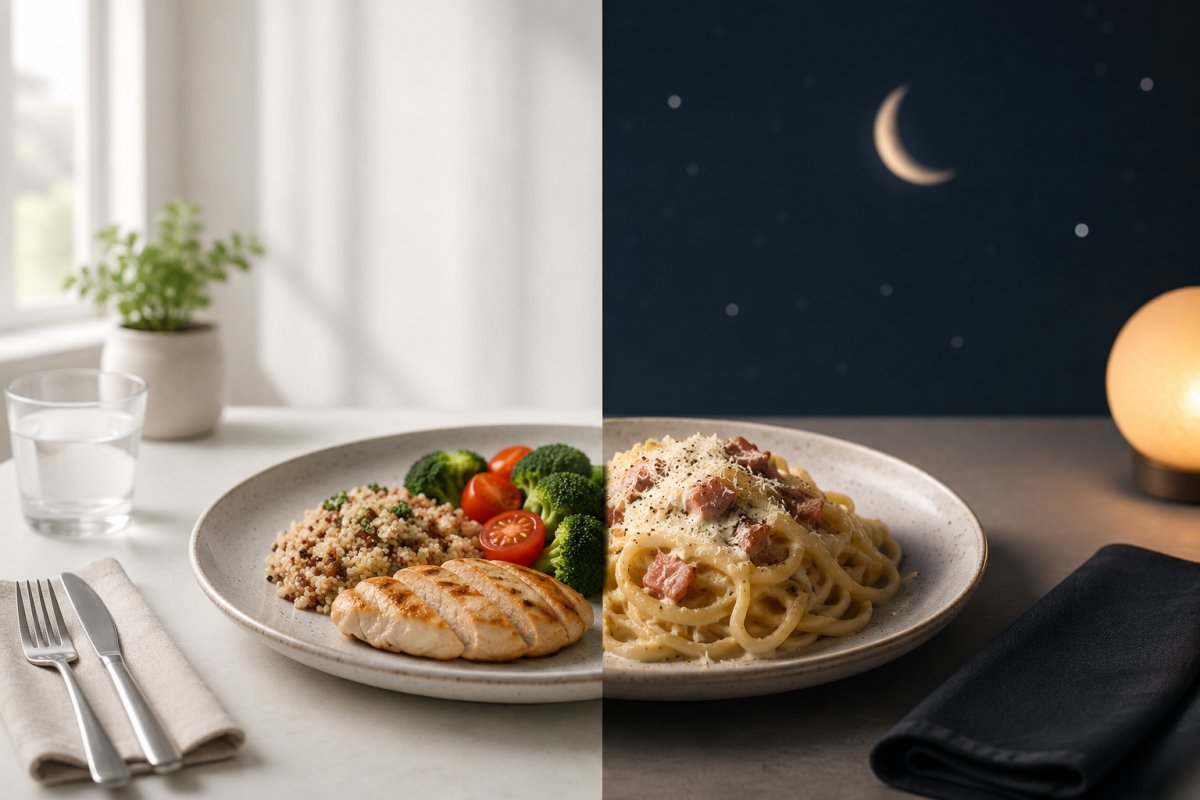
The most important factor is the overall number of calories consumed during the day compared to the number of calories burned.
If a person consumes more calories than they expend, weight gain is likely regardless of whether those calories were eaten at noon or at 8 PM. Likewise, a calorie deficit generally promotes weight loss regardless of meal timing.
Scientists studying obesity and metabolism consistently point to long-term eating patterns rather than specific meal times. People who maintain a healthy weight tend to have balanced diets, regular physical activity, and good sleep habits. The clock alone rarely determines success or failure.
Key Findings From Modern Nutrition Studies
- Total daily calorie intake matters most;
- Food quality significantly affects health outcomes;
- Meal timing may influence appetite and energy levels;
- Individual lifestyle factors play a major role;
- Sleep quality can affect hunger hormones;
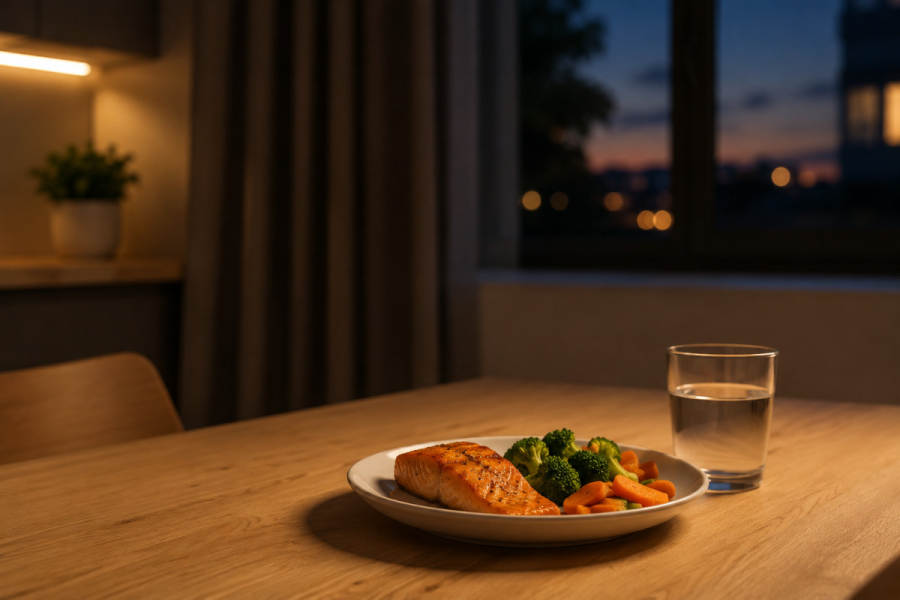
This means that a balanced dinner eaten at 7 PM or even 8 PM is not automatically harmful.
In fact, for many working adults, eating before 6 PM is simply unrealistic. Long commutes, family responsibilities, and evening activities often make later dinners unavoidable.
Rather than focusing on an arbitrary cut-off time, it is often more useful to pay attention to portion sizes, meal composition, and hunger cues. Eating slowly and mindfully can help prevent overeating regardless of the hour.
When Eating Late Can Become a Problem
Although eating after 6 PM is not inherently bad, certain habits commonly associated with late-night eating can create challenges.
Many people do not choose nutritious foods when they snack late at night. Instead, they reach for chips, sweets, pizza, ice cream, or sugary beverages.
These foods are often high in calories while providing little nutritional value.
Evening hours can also become emotionally charged. Stress from work, boredom, loneliness, or fatigue may trigger cravings that have little to do with genuine hunger. In these situations, food often becomes a form of entertainment or comfort.
Common Late-Night Eating Mistakes
- Choosing highly processed snacks;
- Eating while watching television;
- Consuming food out of boredom;
- Ignoring natural hunger signals;
- Eating excessively large portions;
At this point, the problem is not the time itself but the behavior surrounding food consumption.
The body does not own a clock that transforms healthy food into fat at exactly 6 PM.
People who regularly snack mindlessly in the evening may consume hundreds of extra calories without realizing it. Over time, this can contribute to weight gain.
Creating a satisfying dinner that contains protein, vegetables, and healthy fats can significantly reduce the desire to raid the refrigerator later at night. Many people discover that improving dinner quality naturally decreases evening cravings.
Does Metabolism Slow Down in the Evening?
One reason the no-eating-after-6-PM myth survives is the belief that metabolism dramatically slows down at night.
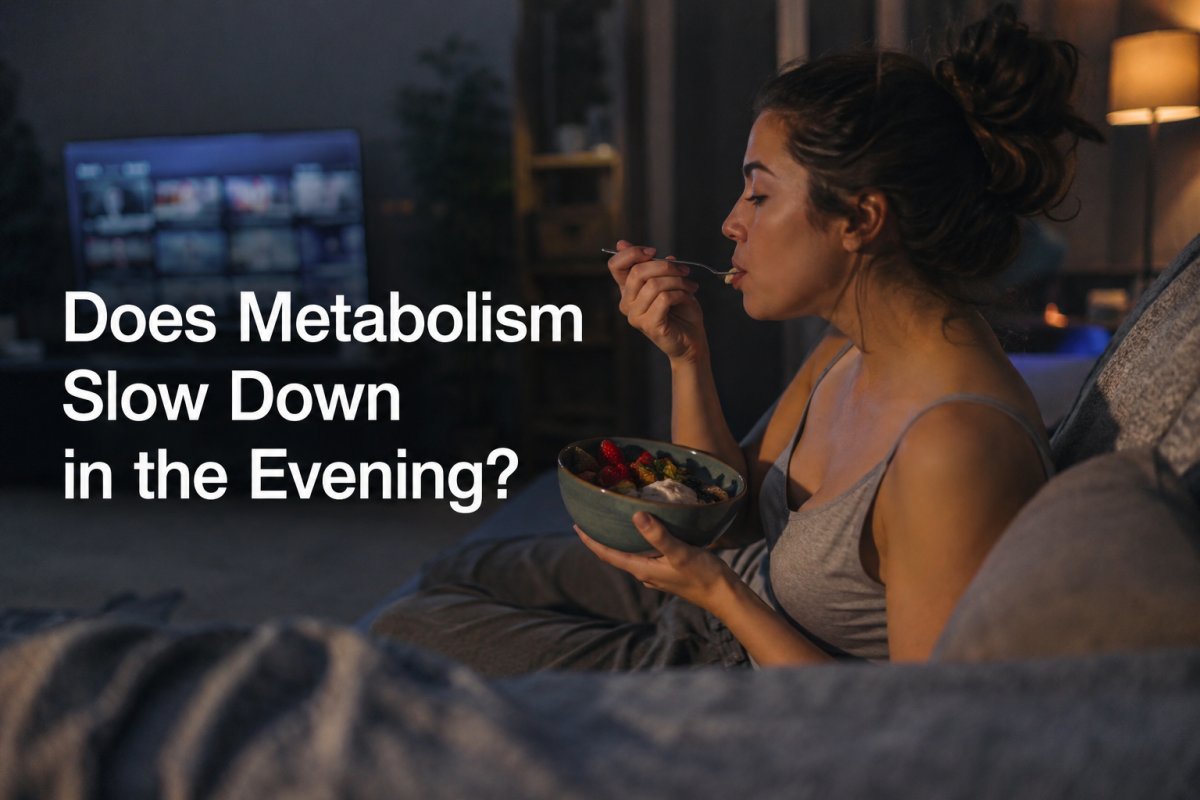
The reality is more nuanced.
Metabolic activity does change slightly throughout the day due to circadian rhythms. However, these fluctuations are relatively small and do not justify extreme restrictions.
The body still requires energy during sleep for essential biological functions.
Many physiological processes become especially active during the night. Muscle recovery, tissue repair, immune system activity, and hormone regulation continue while we rest. The body remains busy even when we are unconscious.
Energy Expenditure During Sleep
| Function | Energy Required |
|---|---|
| Breathing | Continuous |
| Heart activity | Continuous |
| Brain function | Continuous |
| Cell repair | High |
| Hormone production | Active |
This means your body continues burning calories even while you sleep.
A healthy dinner consumed a few hours before bedtime can easily fit within a balanced nutrition plan.
Many nutrition professionals recommend leaving two to three hours between dinner and sleep. This approach often supports more comfortable digestion and better sleep quality without requiring extreme restrictions.
Intermittent Fasting and the 6 PM Rule
The popularity of intermittent fasting has renewed interest in meal timing.
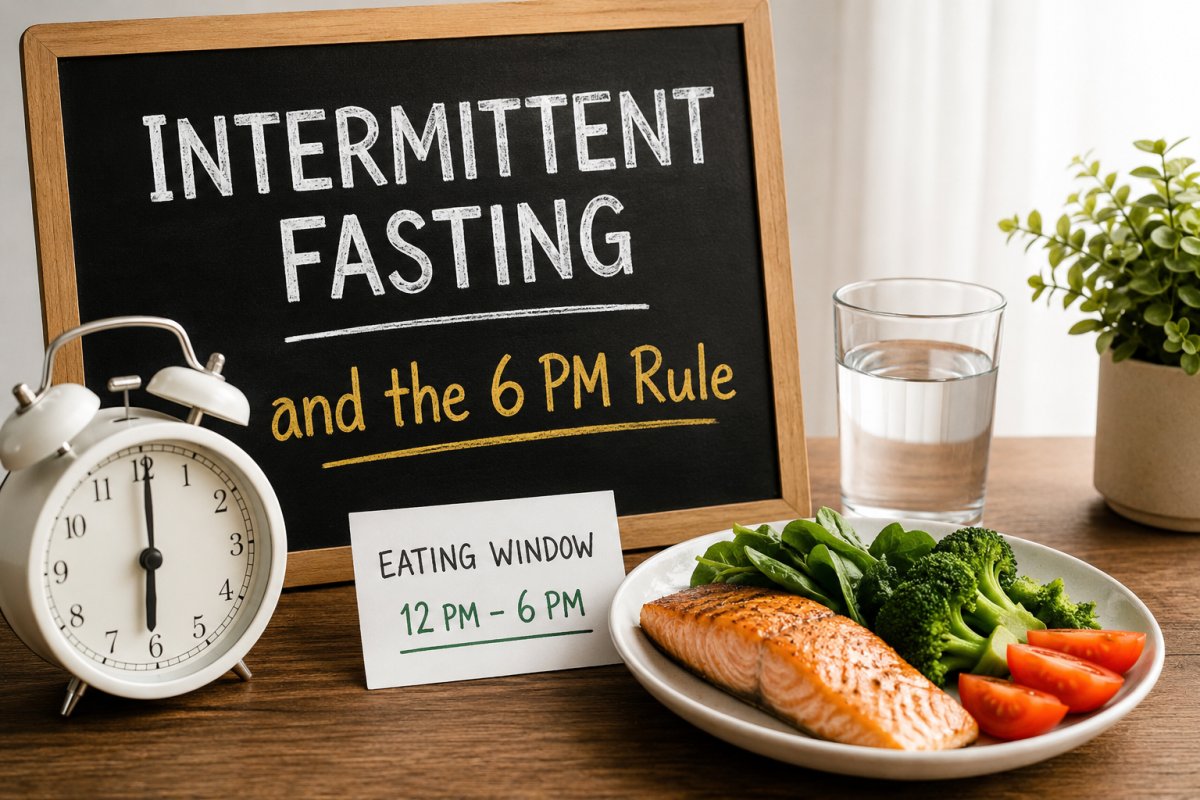
Some people choose eating windows such as 16:8, where food is consumed during an eight-hour period and avoided for sixteen hours.
For readers interested in learning more about fasting strategies, the detailed guide on intermittent fasting 16:8 for weight loss explains how this approach works and who may benefit from it. Intermittent fasting is not based on the strict rule of avoiding food after 6 PM. Instead, it focuses on creating a consistent eating schedule that suits individual lifestyles and goals.
Importantly, many successful intermittent fasting plans allow dinner after 6 PM.
People often achieve good results because fasting helps reduce unnecessary snacking and encourages greater awareness of eating habits. The structure itself may be beneficial for those who struggle with constant grazing throughout the day.
Looking for a simple and effective way to improve your health and manage your weight? Discover how the 16/8 intermittent fasting method works, what benefits it offers, and how to follow it safely in this detailed guide: intermittent fasting 16/8 guide
Benefits Some People Experience With Time-Restricted Eating
- Better appetite control;
- Reduced unnecessary snacking;
- Improved meal awareness;
- Simpler calorie management;
- More structured eating habits;
However, fasting is not mandatory for weight loss and may not suit everyone.
The best eating schedule is the one that supports energy levels, fits daily responsibilities, and can be maintained comfortably over the long term.
Who Should Avoid Strict Evening Food Restrictions?
A universal no-food-after-6-PM rule can create unnecessary stress for certain individuals.
Different lifestyles require different nutritional strategies.
What works perfectly for an office worker may be completely inappropriate for a nurse on night shifts or an athlete training after work. Human schedules are incredibly diverse, and nutrition should adapt accordingly.
People Who May Need Evening Meals
- Shift workers;
- Athletes with evening training sessions;
- People with physically demanding jobs;
- Individuals recovering from illness;
- Those with schedules that extend into the evening;
For these groups, eating a nutritious evening meal may actually support better health and performance.
Sustainable eating habits are usually more effective than strict rules that are difficult to maintain over time.
An overly restrictive approach often leads to frustration, cravings, and eventually overeating.
Many people notice that when foods are unnecessarily forbidden, they become even more tempting. Creating a balanced approach often produces better long-term results than relying on strict limitations.
What Should You Eat in the Evening?
The composition of your evening meal often matters more than the timing.
A balanced dinner can help support recovery, maintain muscle mass, and provide satiety throughout the night.
The ideal evening meal should leave you comfortably satisfied rather than overly full. Meals rich in protein and fiber tend to keep hunger under control while supporting overall health.
Good Evening Meal Choices
- Lean chicken breast with vegetables;
- Baked fish and salad;
- Cottage cheese with berries;
- Greek yogurt and nuts;
- Omelet with vegetables;
- Turkey and steamed vegetables;
Foods Better Limited Before Bed
- Sugary desserts;
- Large amounts of fast food;
- Deep-fried meals;
- Excessive alcohol;
- Highly processed snacks;
These foods may negatively affect digestion, sleep quality, and overall calorie balance.
Preparing dinner in advance can make healthy choices easier on busy evenings. Having nutritious ingredients readily available often prevents impulsive decisions when hunger strikes after a long day.