- Essential foods for weight management
- How to construct an effective weight loss diet
- Weight loss secrets: superfoods for fat burning
- The role of fiber in weight loss
- Low-calorie snacks: satisfy hunger without gaining weight
- Best protein products for weight loss
- How water aids weight loss
- The benefits of green tea for weight loss
- Fruits and berries for weight loss
- Nuts and seeds
- Dairy products in a weight loss diet
- Healthy carbohydrates
- Foods to avoid for weight loss
Embarking on a weight loss journey fundamentally revolves around a mindful approach to nutrition. The intelligent selection of foods isn't merely supplementary; it's the cornerstone for achieving and sustaining your desired physique and overall well-being.
Within this comprehensive guide, we delve into foundational foods conducive to weight management, offer strategic advice for crafting a balanced diet, and explore the multifaceted benefits across various food categories.
Essential foods for weight management
Lentils
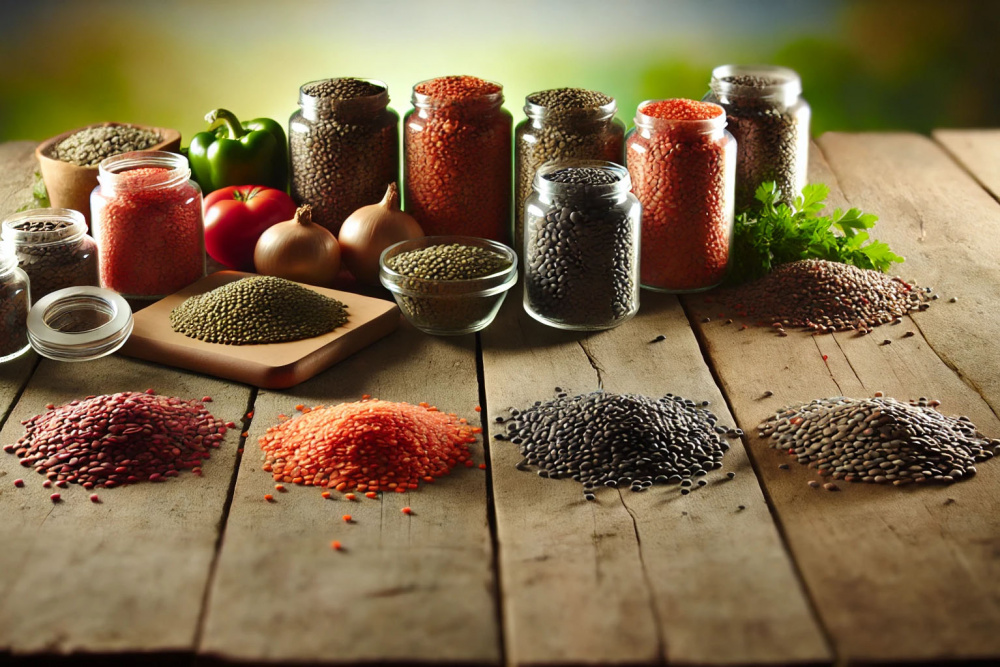
Lentils stand out as a premier source of plant-based protein and dietary fiber, positioning them as an indispensable ally in weight loss. Protein is crucial for promoting sustained satiety and fostering lean muscle development, while fiber actively enhances digestive health and helps stabilize blood sugar levels.
Lentils are not just a source of vital energy, but a powerful partner in your quest to shed excess weight.
Remarkably low in calories yet dense in essential nutrients like iron and magnesium, lentils contribute significantly to overall health. Their versatility shines as they can be effortlessly incorporated into soups, vibrant salads, or served as a nutritious side dish.
Okra
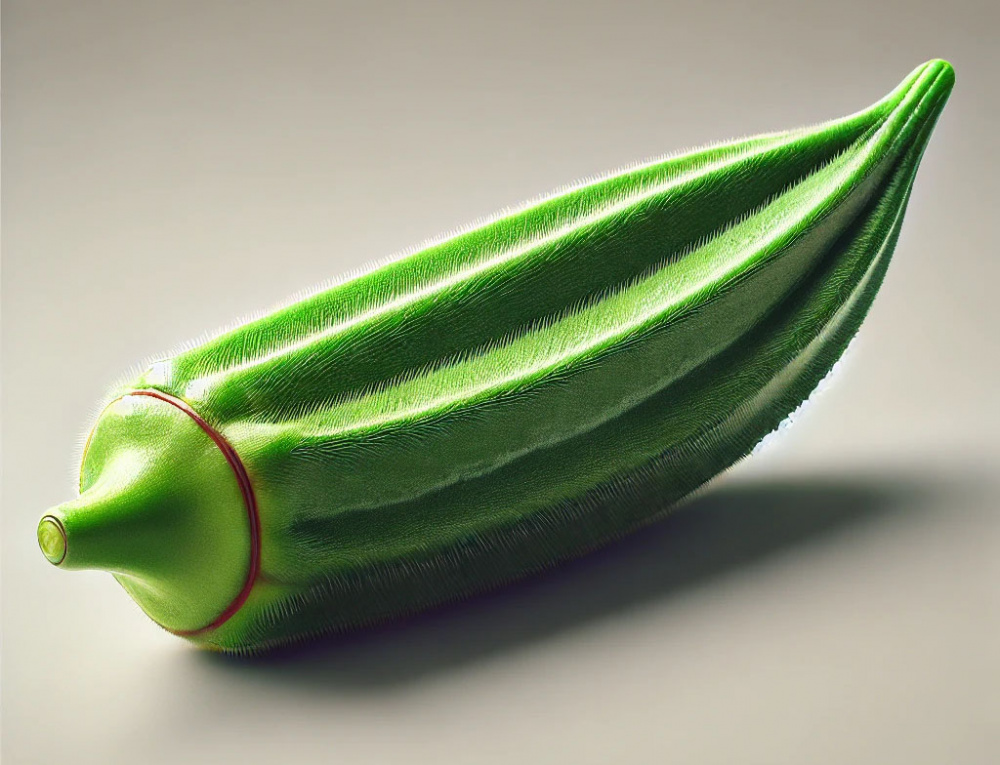
Okra, a remarkably low-calorie vegetable, is brimming with dietary fiber and potent antioxidants. It plays a pivotal role in regulating blood sugar levels and fostering optimal digestive function.
Okra holds the key to cultivating a healthy and lean physique.
This versatile vegetable can be enjoyed steamed, integrated into hearty stews, or added fresh to salads. Beyond its contributions to weight loss, okra provides a spectrum of benefits for holistic health maintenance.
Berries
A vibrant assortment of berries, including strawberries, blueberries, and raspberries, are packed with antioxidants and vitamins. These compounds are instrumental in boosting metabolism and facilitating fat burning. Additionally, their naturally low-calorie content and high fiber make them an exceptional dietary choice.
Berries offer a deliciously sweet path towards a leaner, healthier you.
Easily incorporated into yogurts, smoothies, or savored on their own as a revitalizing snack, berries help sustain high energy levels and fortify the immune system.
Beetroot
Beetroot, a powerful root vegetable, is a rich reservoir of vitamins, minerals, and antioxidants. It is renowned for its capacity to enhance blood circulation and assist the body in detoxification processes.
Beetroot acts as a natural purifier, meticulously cleansing your body from within.
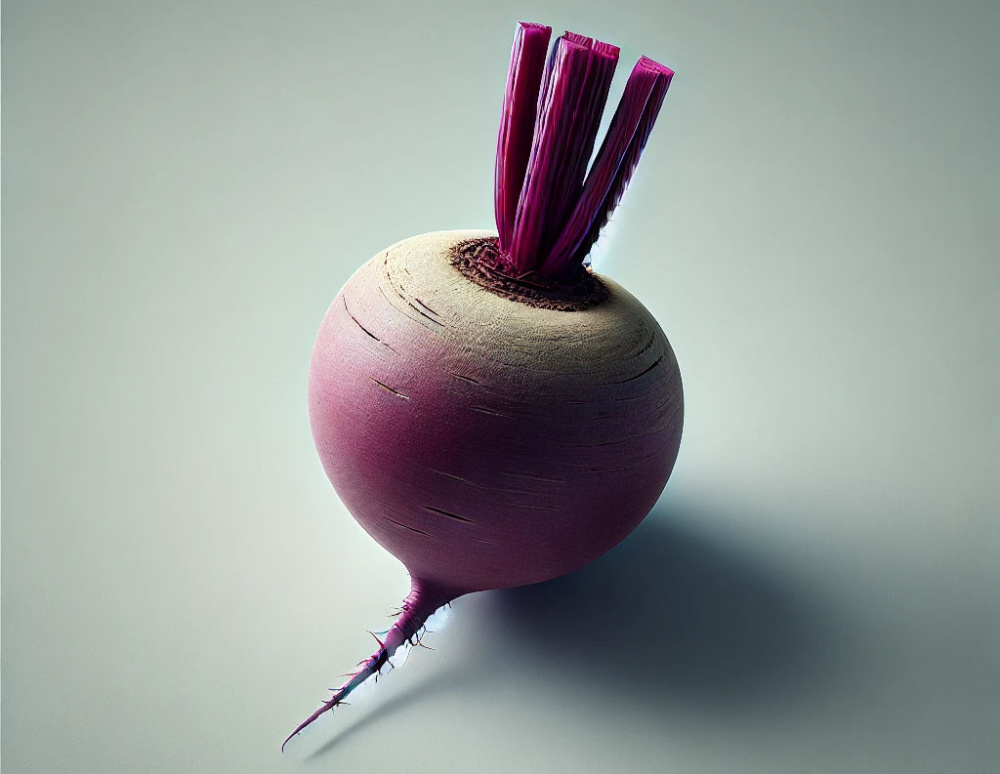
Beetroot is incredibly adaptable, perfect for vibrant salads, hearty soups, or roasted to perfection. Its benefits extend to promoting cardiovascular health and significantly boosting physical stamina.
Artichokes
Artichokes are an outstanding choice for weight loss, thanks to their abundant fiber content and remarkably low-calorie count. They are also a treasure trove of antioxidants and essential vitamins, notably vitamin C and folate.
Artichokes provide a delicious and beneficial way to maintain your desired shape.
These unique vegetables can be steamed, incorporated into salads, or become a starring ingredient in main courses. Artichokes are particularly effective in optimizing digestion and supporting robust liver health.
Whole grains
Whole grain products such as oats, quinoa, and brown rice are rich in both dietary fiber and complex carbohydrates. This combination ensures a prolonged feeling of fullness and plays a crucial role in maintaining stable blood sugar levels.
Whole grains form the fundamental bedrock of your healthy dietary regimen.

They are excellent as a base for breakfasts, versatile side dishes, or hearty additions to soups. Whole grains are instrumental in sustaining energy balance and enhancing metabolic efficiency.
Chia seeds
Chia seeds are an exceptional food for weight loss, boasting a high concentration of omega-3 fatty acids, fiber, and protein. They are also highly effective in regulating blood sugar levels and supporting overall cardiovascular health.
Chia seeds are small in stature, yet incredibly powerful allies in your battle against excess weight.
These tiny powerhouses can be effortlessly blended into smoothies, stirred into yogurts, or incorporated into various baked goods. Chia seeds are highly effective in promoting satiety and optimizing digestive regularity.
Avocado
Avocado is a magnificent source of beneficial fats, which are instrumental in controlling appetite and fostering a healthy metabolism. It is also packed with vital vitamins and minerals, including potassium and vitamin E.
Avocado offers a creamy, satisfying path to leanness and vibrant health.
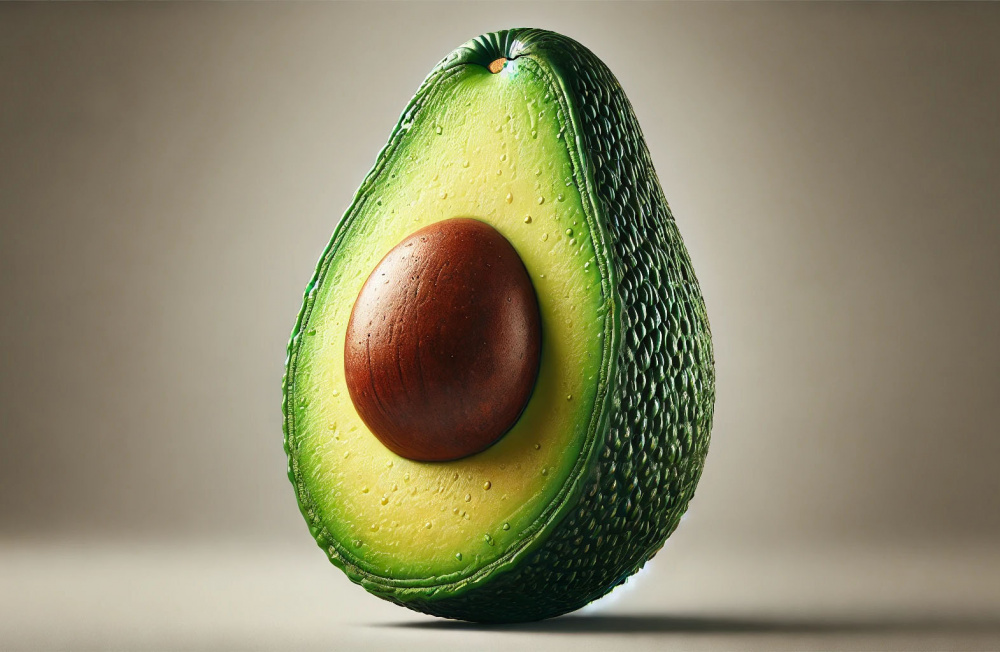
Avocado can be incorporated into salads, blended into smoothies, or spread generously on toast. It significantly contributes to healthy skin and helps maintain balanced energy levels throughout the day.
Bananas
Bananas are a rich natural source of potassium and various vitamins, which are essential for maintaining energy levels and elevating mood. Their fiber content further contributes to a lasting sense of fullness.
Bananas provide a natural, potent energy boost for your entire body.
Perfect as a quick snack, a smoothie ingredient, or baked into various treats, bananas support heart health and enhance digestive function.
How to construct an effective weight loss diet
Crafting a well-structured diet is paramount to successful weight loss. It's not merely about selecting nutritious foods, but also about meticulously balancing macronutrients and managing caloric intake.
Calorie determination
The initial and critical step is to ascertain your daily caloric requirements. This calculation is individualized, factoring in your age, gender, activity level, and specific weight loss objectives. Utilizing reputable online calorie calculators can provide an accurate starting point.
Macronutrient balance
Your dietary plan should reflect an optimal ratio of proteins, fats, and carbohydrates. A widely recommended distribution is:
- Proteins
25-30%
- Fats
20-35%
- Carbohydrates
45-55%
A meticulously balanced diet serves as the foundational pillar for healthy and sustainable weight loss.
Meal frequency
Adopting a regimen of 5-6 smaller meals throughout the day is often recommended. This approach helps to stabilize blood sugar levels, preventing drastic spikes and crashes, and significantly reduces the likelihood of overeating.
Incorporating healthy foods
Prioritize a diverse array of wholesome foods: abundant vegetables, various fruits, whole grains, lean protein sources, and healthy fats. It is equally important to consciously avoid highly processed foods and those laden with excessive sugar and unhealthy fats.
Dietary diversity is a key ingredient for achieving success in your weight loss endeavors.
Sample menu
Breakfast: Oatmeal with mixed berries and chia seeds
Snack: Greek yogurt with a handful of nuts
Lunch: Grilled chicken and avocado salad
Snack: Fresh fruit or vegetable sticks
Dinner: Steamed fish with a generous serving of vegetables
Weight loss secrets: superfoods for fat burning
What are superfoods?
Superfoods are distinguished by their exceptional nutrient density, actively contributing to enhanced health and facilitating weight loss. They are powerhouses of antioxidants, vitamins, and minerals, offering profound benefits beyond basic nutrition.
Superfoods are nature's powerful assistants in your quest to manage and reduce excess weight.
Popular superfoods
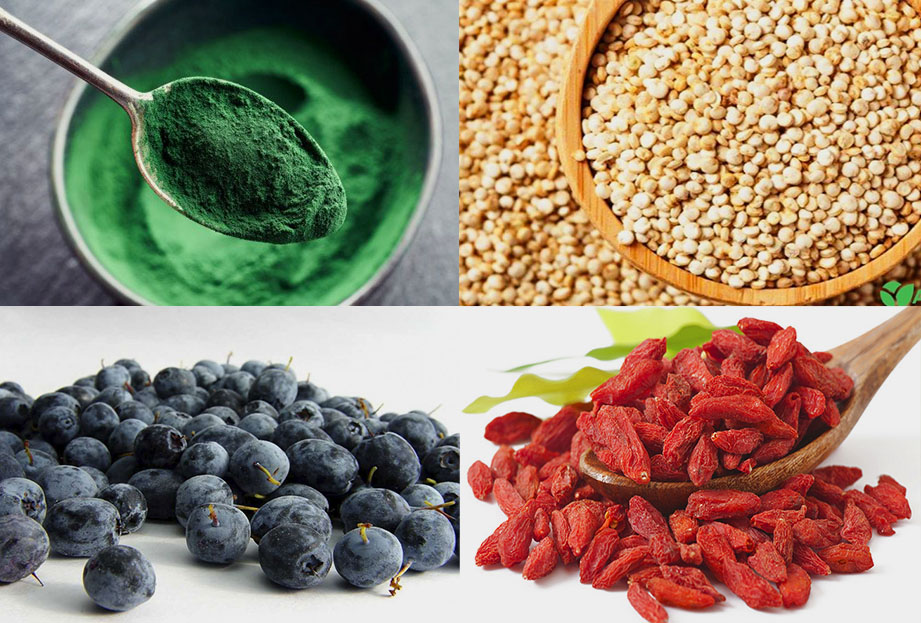
- Quinoa
A complete protein and excellent source of fiber, promoting satiety and robust digestive health. - Spirulina
A nutrient-dense algae, rich in protein and antioxidants, known for its detoxifying properties. - Goji berries
Packed with vitamins and antioxidants, they boost metabolism and fortify the immune system. - Acai
These berries are celebrated for their high antioxidant content, aiding in fat burning and enhancing skin vitality.
How to integrate superfoods into your diet?
Superfoods can be seamlessly incorporated into smoothies, salads, porridges, or consumed as supplements. The key is to embrace variety and avoid over-reliance on any single product.
Sample superfood recipes
- Quinoa and berry smoothie
Combine 1/2 cup cooked quinoa, 1/2 cup mixed berries, 1 banana, and 1 cup almond milk. - Quinoa and avocado salad
Mix 1/2 cup cooked quinoa, 1 avocado (diced), 1 tomato (chopped), 1 cucumber (chopped), drizzled with olive oil and a squeeze of lemon juice.
The role of fiber in weight loss
What is fiber?
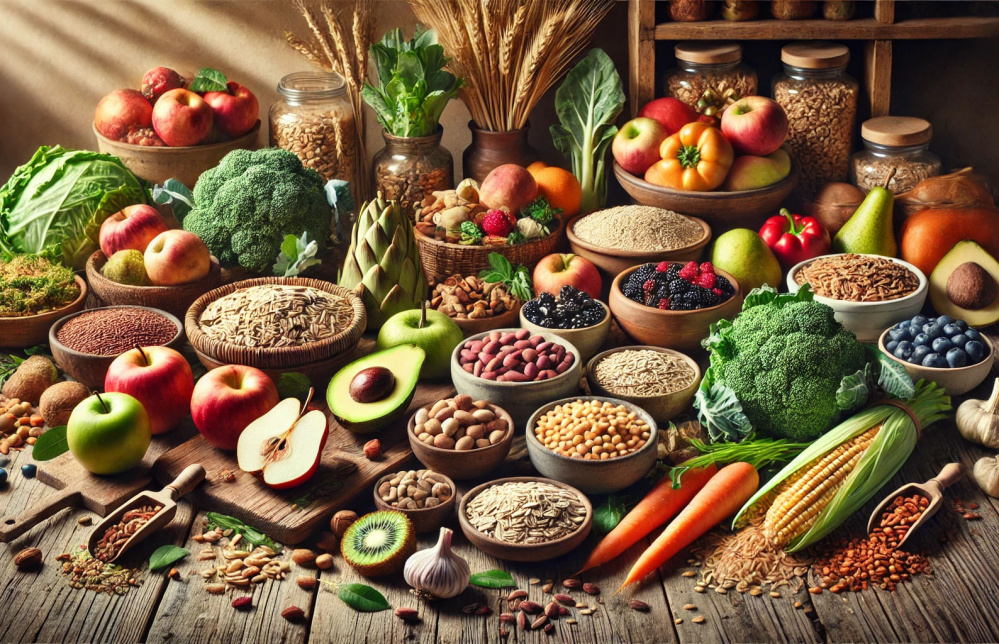
Dietary fiber is a type of carbohydrate that the human body cannot digest. It plays a pivotal role in maintaining a healthy digestive system and is crucial for promoting a lasting sense of fullness.
Fiber is an unwavering ally in your journey towards effective weight management.
Types of fiber
- Soluble fiber
Found abundantly in oats, apples, berries, and legumes. It is highly effective in lowering cholesterol and stabilizing blood sugar levels. - Insoluble fiber
Prevalent in whole grains, nuts, and many vegetables. This type of fiber significantly aids in digestive regularity and helps prevent constipation.
Fiber's benefits for weight loss
Fiber uniquely adds bulk to your meals without contributing extra calories, which is instrumental in fostering satiety and curtailing overeating. Furthermore, it optimizes digestion and assists the body in expelling toxins.
How to incorporate fiber into your diet?
Routinely include a variety of fiber-rich foods in your meals:
- An abundance of fruits and vegetables
- Diversified whole grain products
- Various legumes, such as beans and peas
- A selection of nuts and seeds
The greater the fiber content in your diet, the more effortlessly you will manage your weight.
Low-calorie snacks: satisfy hunger without gaining weight
Why are low-calorie snacks important?
Strategic snacking helps to sustain consistent energy levels throughout the day and effectively prevents overeating during main meals. The crucial element is choosing low-calorie options to remain within your daily caloric target.
Smart snacking is a pivotal component for achieving successful weight loss.
Examples of low-calorie snacks
- Fruits: Apples, pears, mixed berries
- Vegetables: Carrot sticks, cucumber slices, celery stalks
- Nuts: Almonds, walnuts (consumed in moderation)
- Yogurt: Low-fat or high-protein Greek yogurt
Recipes for low-calorie snacks
- Apple chips: Thinly sliced apples baked until delightfully crisp.
- Vegetable sticks with hummus: Celery, carrots, and cucumbers paired with a low-calorie hummus dip.
- Berry smoothie: Blend 1/2 cup mixed berries, 1 banana, and 1 cup water or coconut milk.
Tips for choosing snacks
- Consciously avoid processed snacks and those high in added sugars and unhealthy fats.
- Prioritize natural, whole foods that are rich in essential vitamins and minerals.
- Practice portion control diligently to prevent exceeding your recommended daily calorie intake.

Low-calorie snacks will empower you to remain satisfied and energized throughout your day.
Best protein products for weight loss
The significance of protein for weight loss
Protein plays an indispensable role in the weight loss journey, primarily by helping to preserve lean muscle mass and fostering a profound sense of satiety. It also actively contributes to accelerating metabolism and optimizing recovery after physical exertion.
Protein is the fundamental building block for your body and your most reliable companion in weight loss.
Examples of protein-rich foods
- Chicken and turkey: Lean, low-calorie, and exceptionally rich in protein.
- Fish and seafood: Excellent sources of protein, often providing beneficial omega-3 fatty acids.
- Eggs: A complete and versatile source of high-quality protein and essential vitamins.
- Cottage cheese and yogurt: Abundant in protein and calcium, particularly Greek yogurt for higher protein content.
- Legumes: Lentils, beans, chickpeas offer significant plant-based protein and fiber.
Recipes incorporating protein foods
- Grilled chicken breast: Serve with a vibrant array of steamed or roasted vegetables and fresh herbs.
- Baked fish: Enhance flavor with lemon slices and your favorite aromatic spices.
- Vegetable omelet: Utilize egg whites and a generous medley of fresh, colorful vegetables.
- Tuna salad: Combine flaked tuna with fresh greens and a light olive oil dressing.
Tips for integrating protein into your diet
- Aim to include a quality protein source in every single meal.
- Creatively use protein to prepare nutritious and flavorful dishes.
- Always be mindful of portion sizes to avoid exceeding your daily caloric allowance.
Protein is your steadfast ally in the pursuit of weight loss and the maintenance of overall health.
How water aids weight loss
The vital importance of water for the body
Water is absolutely crucial for maintaining overall health and is a fundamental component of the weight loss process. It ensures optimal hydration, enhances metabolic function, and facilitates the efficient elimination of toxins from the body.
Water is the essence of life and your most potent assistant in achieving weight loss.
Water's influence on metabolism
Consuming an adequate amount of water is proven to accelerate metabolism, thereby boosting calorie expenditure. Water also effectively promotes a feeling of fullness, which is key to preventing overeating.
How much water should you drink?
It is generally recommended to consume a minimum of 8 glasses (approximately 64 ounces) of water daily. However, this quantity can fluctuate based on individual factors such as physical activity levels, climate, and personal physiological needs.
Strategies to increase water intake
- Keep a reusable water bottle readily accessible throughout your day.
- Make a habit of drinking a glass of water before each meal.
- Enhance the taste by adding slices of fresh fruit (lemon, cucumber) or herbs (mint).
Increasing your water intake is a simple, yet profoundly effective strategy to accelerate your weight loss journey.
The benefits of green tea for weight loss
Active compounds in green tea
Green tea is rich in powerful antioxidants, particularly catechins (like EGCG), which are instrumental in boosting metabolism and enhancing fat burning. It also contains caffeine, a natural stimulant that elevates energy levels and improves physical endurance.
Green tea serves as a natural, potent stimulant for your body's metabolism.
Green tea's impact on weight loss
Consistent consumption of green tea has been shown to contribute to weight reduction and a decrease in overall body fat. It also aids in improving digestion and supports the body's natural detoxification processes.
How to properly brew green tea?
- Opt for high-quality loose-leaf green tea for superior benefits and flavor.
- Brew the tea at a temperature of 175-185°F (80-85°C) to prevent bitterness and extract optimal compounds.
- Allow it to steep for 2-3 minutes to maximize the release of beneficial properties.
Tips for consuming green tea
- Consider drinking green tea before your workouts to enhance stamina and fat burning.
- Add a slice of lemon or a sprig of mint to subtly improve its flavor profile.
- Avoid adding sugar or honey to maintain its low-calorie status and health benefits.
Green tea is your natural, powerful ally in both the pursuit of weight loss and the maintenance of holistic health.
Fruits and berries for weight loss
Beneficial properties of fruits and berries
Fruits and berries are brimming with essential vitamins, powerful antioxidants, and dietary fiber, all of which contribute significantly to an improved metabolism and enhanced fat burning. Their naturally low-calorie content and high fiber make them excellent choices for promoting satiety.
Fruits and berries offer a delightful and wholesome pathway to successful weight loss.
Top fruits and berries for weight loss
- Apples: Rich in fiber and remarkably low in calories.
- Grapefruit: Known to boost metabolism and assist in fat combustion.
- Blueberries: A powerhouse of antioxidants and various vitamins.
- Strawberries: Low in calories and an excellent source of vitamin C.
Recipes featuring fruits and berries
- Fruit salad: A refreshing mix of apples, pears, grapefruit segments, and mixed berries.
- Berry smoothie: Blend blueberries, strawberries, a banana, and almond milk for a nutritious drink.
- Yogurt dessert: Layer low-fat yogurt with fresh berries and a drizzle of honey.
Tips for incorporating fruits and berries into your diet
- Add fruits and berries generously to yogurts, oatmeal, and smoothies.
- Utilize fruits as healthy, satisfying snacks between your main meals.
- Prioritize fresh, seasonal fruits and berries to maximize nutritional benefits.
Fruits and berries represent your sweet and healthy route to a leaner, more vibrant you.
Nuts and seeds
The benefits of nuts and seeds
Nuts and seeds are concentrated sources of healthy fats, protein, and fiber, making them ideal companions for weight loss. They are highly effective in controlling appetite and maintaining consistent energy levels throughout the day.
Nuts and seeds are small in size, yet profoundly powerful allies in your journey to combat excess weight.
Best nuts and seeds for weight loss
- Almonds: Packed with protein and beneficial monounsaturated fats.
- Walnuts: An excellent source of omega-3 fatty acids, crucial for overall health.
- Chia seeds: Boast an exceptionally high content of fiber and omega-3s.
- Flaxseed: Highly beneficial for digestive health and metabolic efficiency.
Recipes featuring nuts and seeds
- Salad with nuts: Combine mixed greens, avocado slices, almonds, and a light olive oil dressing.
- Smoothie with seeds: Blend a banana, mixed berries, yogurt, and a tablespoon of chia seeds.
- Oatmeal with nuts: Top your morning oatmeal with walnuts, a drizzle of honey, and sliced apples.
Tips for integrating nuts and seeds into your diet
- Sprinkle nuts and seeds over salads, stir into oatmeal, or blend into smoothies.
- Enjoy a small handful of nuts as a smart, satisfying snack between meals.
- Always opt for unsalted, natural nuts and seeds to avoid excess sodium.
Nuts and seeds are your concentrated source of healthy fats and sustainable energy.
Dairy products in a weight loss diet
The importance of dairy products
Dairy products are exceptional sources of protein, calcium, and essential vitamins. They play a vital role in supporting bone and muscle health, while also contributing to a lasting feeling of satiety.
Dairy products are valuable assistants in maintaining your health and effectively managing your weight.
Best dairy products for weight loss
- Yogurt: Opt for low-fat or high-protein Greek yogurt varieties.
- Cottage cheese: A low-calorie, protein-rich option, highly versatile.
- Kefir: A fermented dairy drink that enhances digestion and supports the immune system.
- Milk: Choose skim or unsweetened almond milk for lower calorie options.
Recipes incorporating dairy products
- Yogurt with berries: Combine low-fat yogurt with fresh strawberries and a touch of honey.
- Cottage cheese dessert: Mix cottage cheese with sliced banana and a few chopped nuts.
- Kefir smoothie: Blend kefir with mixed berries and fresh mint for a refreshing drink.
Tips for integrating dairy products into your diet
- Include dairy products as part of your breakfast and snack routines.
- Utilize yogurt and cottage cheese as wholesome bases for healthy desserts.
- Always check labels for fat and sugar content, opting for lower-fat and unsweetened varieties.
Dairy products are your reliable source of protein and calcium for healthy weight loss.
Healthy carbohydrates
The importance of carbohydrates in a diet
Carbohydrates serve as the primary and most accessible energy source for the body. The key to weight management is selecting healthy carbohydrates that provide sustained energy and promote a prolonged feeling of fullness.
Healthy carbohydrates form the foundational core of your weight loss diet.
Optimal sources of healthy carbohydrates
- Whole grain products: Oats, quinoa, and brown rice.
- Legumes: Lentils, beans, and chickpeas.
- Vegetables: Broccoli, sweet potatoes, and carrots.
- Fruits: Apples, pears, and a variety of berries.
Recipes featuring healthy carbohydrates
- Breakfast porridges: Oatmeal prepared with berries and a sprinkle of nuts.
- Legume-based soups: Hearty lentil soup enriched with a mix of vegetables.
- Quinoa salads: A vibrant salad featuring quinoa, assorted vegetables, and creamy avocado.
Tips for integrating carbohydrates into your diet
- Prioritize whole grain products over highly processed and refined alternatives.
- Ensure you include healthy carbohydrates in every meal to maintain stable energy levels.
- Practice diligent portion control to stay within your recommended daily caloric intake.
Healthy carbohydrates are your consistent source of energy and sustained satiety.
Foods to avoid for weight loss
Detrimental foods
Certain food items can actively impede your weight loss progress and exert negative impacts on your overall health. It is crucial to consciously avoid highly processed foods and those that are excessively high in added sugars and unhealthy fats.
Steering clear of detrimental foods is essential to achieving your weight loss goals.
Examples of harmful foods
- Fast food: Burgers, french fries, and pizza.
- Sweets: Candies, pastries, and sugar-sweetened beverages.
- Processed foods: Sausages, smoked meats, and ready-to-eat meals.
- Alcohol: Beer, wine, and sugary cocktails.
Healthy alternatives to harmful foods
- Fast food: Prepare healthier, homemade versions of your favorite quick meals.
- Sweets: Opt for fresh fruits or use natural sweeteners in moderation.
- Processed foods: Choose fresh, whole, and minimally processed ingredients.
- Alcohol: Limit consumption or replace with refreshing non-alcoholic beverages.
Tips for avoiding harmful foods
- Proactively plan your meals and prepare food at home to control ingredients.
- Thoroughly read food labels and actively avoid products with added sugars and trans fats.
- Discover and embrace healthier, delicious alternatives to your former favorite indulgences.
Eliminating harmful foods is the fundamental first step toward successful weight loss and lifelong health maintenance.