
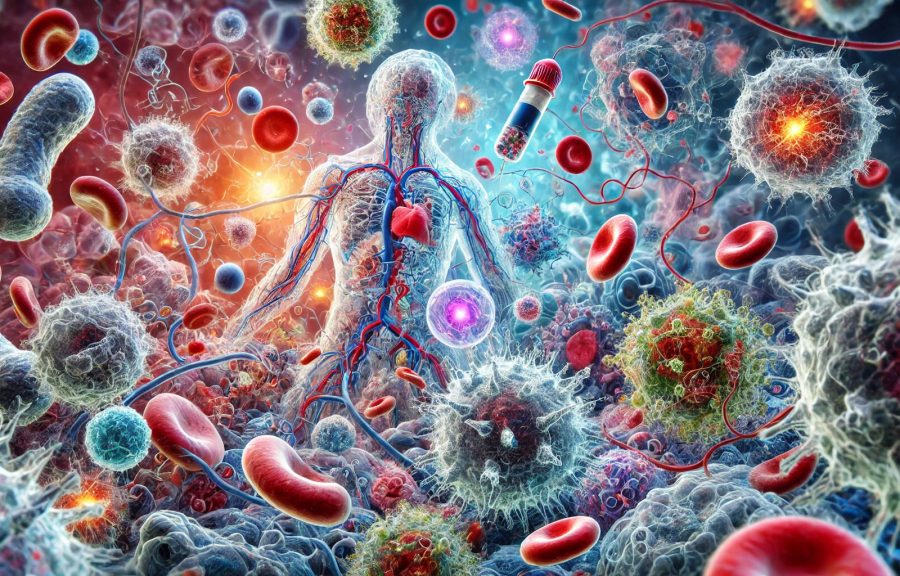
The immune system what it is
Imagine the immune system as your body's highly sophisticated and vigilant security detail, a complex web of cells, tissues, and organs meticulously working in concert. Its primary directive is to defend against a constant barrage of potential threats: harmful microorganisms like bacteria, viruses, fungi, and parasites. This intricate network is always on patrol, actively surveying the body for any signs of intrusion or abnormality. Beyond just external invaders, the immune system is also crucial in identifying and eliminating internal threats, such as damaged or anomalous cells, including cancerous ones, before they can proliferate.
We can conceptualize immunity as a multi-layered fortress of defense. The initial barrier comprises physical and chemical defenses, notably the skin and mucous membranes, which physically impede pathogens from entering. Should these outer walls be breached, the innate immune system-our second line of defense-springs into action. This rapid, generalized response provides immediate protection without needing prior exposure to a specific threat. The third and most sophisticated layer is adaptive immunity. This system "learns" from encounters with specific pathogens, developing a highly targeted and long-lasting defense, remembering past invaders to neutralize them more effectively in the future.
It's vital to recognize that the immune system doesn't operate in isolation. It maintains dynamic communication and interaction with other critical bodily systems, such as the endocrine and nervous systems, all working together to sustain the body's delicate internal balance, known as homeostasis. For instance, factors like chronic stress and hormonal fluctuations can significantly modulate, either enhancing or impairing, the effectiveness of the immune response.
A deeper comprehension of the immune system's intricate workings is paramount for pioneering new therapeutic strategies and preventive measures against a myriad of diseases. Recent scientific advancements in this field have been transformative, paving the way for the development of highly effective vaccines and groundbreaking immunotherapeutic drugs that harness the body's own defenses to combat illness.

"The immune system is our personal guardian, ever-ready to protect us from a multitude of threats."
Functions of the immune system
At its core, the immune system is engineered to protect the body from infections and diseases, executing this mandate through several sophisticated mechanisms. Foremost, it acts as a vigilant sentinel, meticulously recognizing and swiftly neutralizing foreign microorganisms and substances. Its remarkable capacity to identify a vast spectrum of pathogens stems from the diverse array of receptors present on the surface of its specialized immune cells, allowing it to distinguish "self" from "non-self."
Secondly, the immune system plays a crucial role as the body's internal cleanup crew, efficiently clearing away dead or damaged cells. This vital process is indispensable for tissue repair, cellular regeneration, and the maintenance of overall health. This cellular housekeeping is primarily carried out by specialized cells called phagocytes, which literally "eat" and digest cellular debris and invading pathogens through a process known as phagocytosis.
A third, life-saving function is the continuous surveillance and elimination of cancerous cells. The immune system is constantly scanning the body for cellular anomalies and, upon detection, activates specific pathways to eradicate these potentially dangerous cells. This proactive defense mechanism against cancer is termed immune surveillance, a critical guard against uncontrolled cell growth.
Furthermore, the immune system is deeply involved in regulating inflammation, a fundamental protective response to injury or infection. While acute inflammation is essential for neutralizing harmful agents and initiating tissue repair, chronic inflammation can become detrimental, contributing to the development of numerous serious conditions, including various cancers and debilitating autoimmune diseases. The immune system's delicate balance in controlling inflammation is key to health.
"The immune system's functions are manifold and diverse, yet all are harmonized towards upholding our body's health and integrity."
Organs of the human immune system
The immune system is a grand orchestra of various organs and tissues, each playing a crucial role in the body's defense. These components are broadly categorized into central (or primary) and peripheral (or secondary) immune organs. Central organs, comprising the bone marrow and thymus, are the nurseries where immune cells are born, develop, and undergo critical maturation. Peripheral organs, on the other hand, serve as the dynamic meeting points where mature immune cells encounter antigens and launch their targeted responses. This category includes lymph nodes, the spleen, and various mucosal-associated lymphoid tissues.
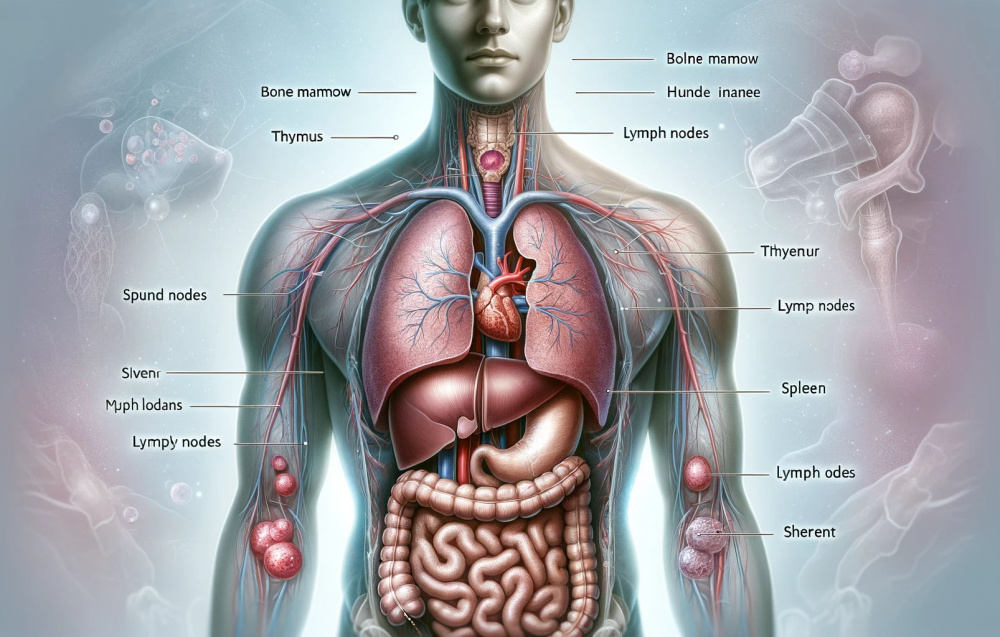
The bone marrow
stands as the primary factory for hematopoiesis, the process by which all types of blood cells, including the diverse array of immune cells, are generated. The thymus
, strategically positioned in the upper chest, is the crucial "school" where T-lymphocytes undergo a rigorous maturation process, learning to distinguish between healthy self-cells and foreign invaders, a pivotal step for adaptive immunity.
Scattered throughout the body, lymph nodes
act as biological filtration stations for lymph fluid, a clear fluid that circulates within the lymphatic system. Within these nodes, immune cells actively screen the lymph for antigens, initiating immune responses when threats are detected. The spleen
, located in the upper left abdomen, performs multiple vital roles: it filters blood, removing old and damaged red blood cells, and also serves as a critical site for immune cell activation and the initiation of immune responses against blood-borne pathogens.
"The organs of the immune system operate as a unified entity, providing us with protection at every level."
Central organs of the immune system
The central organs of the immune system are the fundamental sites for the genesis and maturation of immune cells, consisting primarily of the bone marrow and the thymus. The bone marrow
, a soft, spongy tissue nestled within our bones, is the bustling factory where all blood cells-red blood cells, white blood cells (including all immune cells), and platelets-are continuously produced. Here, pluripotent hematopoietic stem cells possess the remarkable ability to differentiate into any type of blood cell, serving as the ultimate origin for our body's protective cellular army.
The thymus
, situated behind the breastbone, is an indispensable academy for the maturation of T-lymphocytes. In this specialized environment, immature T-cells undergo an intensive "education" process. They are rigorously screened to ensure they can effectively recognize foreign antigens while simultaneously being purged if they react against the body's own healthy tissues. This dual process, known as positive and negative selection, ensures that only highly specialized, self-tolerant T-cells are released into the bloodstream to carry out their protective duties.
Notably, the thymus is most robust and active during childhood and adolescence. As we age, it gradually begins to shrink and its functional capacity wanes, a phenomenon that can impact the immune system's efficiency in older adults, making them potentially more susceptible to certain infections and diseases.
"The central organs of the immune system are the bedrock of our defense, equipping us with vital cells for life."
Peripheral organs of the immune system
The peripheral organs of the immune system serve as the critical staging grounds where immune cells actively engage with pathogens and orchestrate effective immune responses. These vital components include the lymph nodes, the spleen, and various mucosal tissues.
Lymph nodes
, strategically distributed throughout the body, function as key checkpoints and biological filters for the lymph fluid. They meticulously trap and neutralize pathogens, preventing their systemic spread. Within these nodes, various immune cells, particularly lymphocytes, converge with antigens, triggering the cascade of events that constitute an immune response. Lymph nodes are also crucial hubs for the proliferation and activation of B-lymphocytes, which are responsible for generating antibodies-the specific molecular weapons that neutralize pathogens.
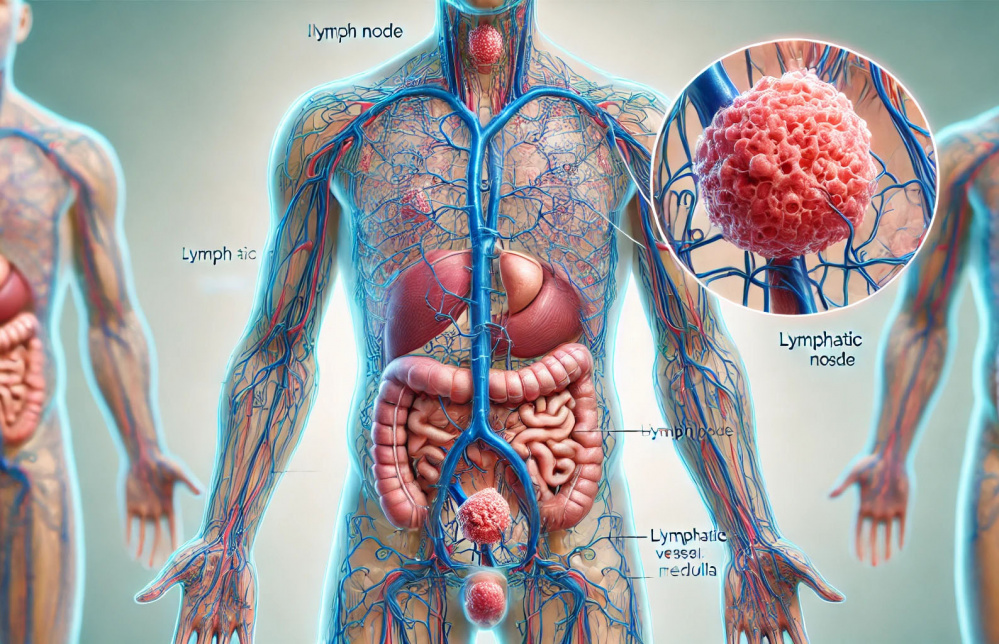
The spleen
is a multifaceted organ with several critical functions. It acts as a sophisticated blood filter, efficiently removing old and damaged red blood cells, while simultaneously trapping pathogens and foreign particles circulating in the bloodstream. Like lymph nodes, the spleen is a significant site for the activation of immune cells and the production of antibodies, especially against blood-borne infections. Additionally, the spleen serves as a reservoir for blood, providing a quick reserve in situations of significant blood loss.
The mucosal membranes
, such as those lining the digestive tract, respiratory passages, and urogenital system, form extensive and dynamic barriers against pathogen entry. These vast surfaces are densely populated with a specialized army of immune cells, poised for immediate action to detect and counter invading microorganisms, acting as the body's first line of contact defense.
"The peripheral organs of the immune system are our forward operating bases, shielding us from external threats."
Immunocompetent cells
Immunocompetent cells
are the highly specialized cellular soldiers of our immune system, endowed with the remarkable ability to recognize and mount a precise response against foreign antigens. This elite force comprises various types of leukocytes, or white blood cells, each performing a distinct and crucial role in immune defense. Key players include T-lymphocytes, B-lymphocytes, natural killer (NK) cells, macrophages, dendritic cells, and neutrophils.
T-lymphocytes
are a diverse group, with several subtypes each having a unique mission. Cytotoxic T-cells are the direct assassins, specifically targeting and destroying infected cells and cancer cells. Helper T-cells act as the commanders, orchestrating the overall immune response by signaling and activating other immune cells. B-lymphocytes
, on the other hand, are the antibody factories, responsible for producing millions of antibodies that bind to and neutralize pathogens, marking them for destruction.
Natural killer (NK) cells
are part of the innate immune system's rapid response team, capable of identifying and eliminating infected and cancerous cells without needing prior sensitization. Macrophages
are large phagocytic cells that act as both garbage collectors, engulfing and digesting pathogens and cellular debris, and as intelligence officers, presenting antigens to T-cells to initiate a targeted adaptive immune response. Dendritic cells
are paramount antigen-presenting cells, expertly capturing antigens and showcasing them to T-lymphocytes, thereby bridging the innate and adaptive immune responses. Finally, neutrophils
are the first responders to infection, swiftly migrating to sites of inflammation to engulf and destroy pathogens through phagocytosis and by releasing potent antimicrobial substances.
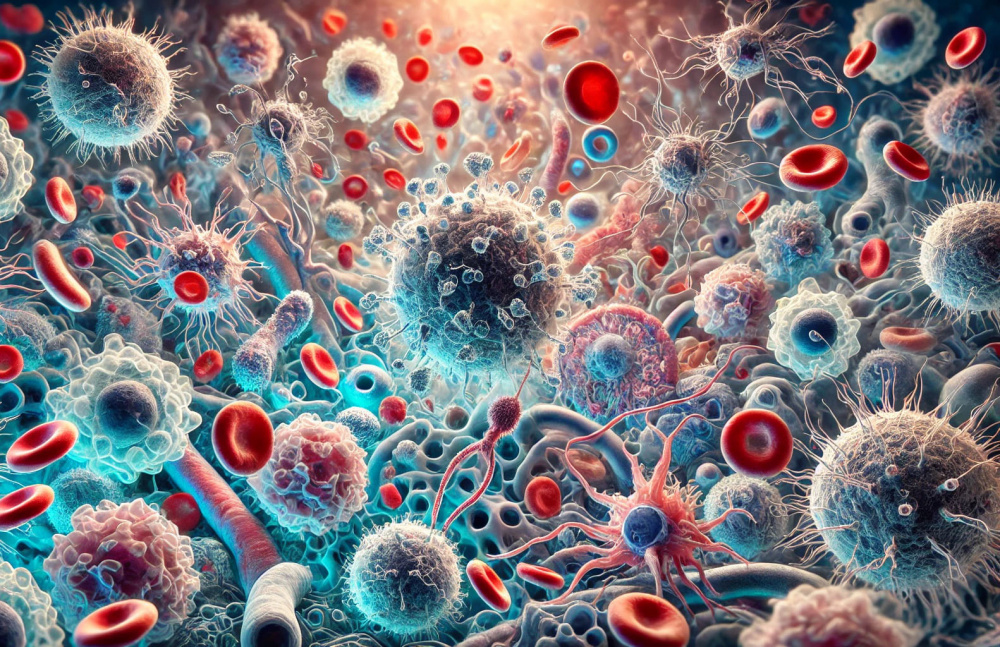
Immunocompetent cells are the true warriors of the immune system, each performing its unique role in safeguarding our body.
Types of immunity
Human immunity is fundamentally divided into two major classes: innate
and adaptive
. Innate immunity
represents our body's first, inherent line of defense, a ready-made protective system present from birth. It provides a swift, non-specific response to a broad spectrum of pathogens, acting as an immediate shield. This type of immunity encompasses physical barriers like the skin and mucous membranes, as well as an array of specialized cells and soluble proteins that spring into action without needing prior exposure to a threat.
Adaptive (or acquired) immunity
, in contrast, is a learned defense mechanism that develops over time in response to specific pathogens, offering a highly targeted and enduring protection. It further subdivides into active and passive immunity. Active immunity
arises when the body's own immune system is stimulated to produce antibodies and T-cells, typically following a natural infection or through vaccination. This process results in long-term protection as the immune system "remembers" the pathogen. Passive immunity
involves the transfer of pre-formed antibodies from one organism to another, such as from a mother to her child across the placenta or through breast milk. This provides immediate, but temporary, protection without requiring the recipient's immune system to generate its own response.
Active immunity itself can be categorized into cell-mediated immunity
and humoral immunity
. Cell-mediated immunity is primarily driven by T-lymphocytes, which directly attack and destroy infected cells and also coordinate the broader immune response. Humoral immunity is mediated by B-lymphocytes, which produce specialized antibodies that circulate in bodily fluids (humors) to neutralize extracellular pathogens and toxins.
"Different types of immunity work in concert, providing us with robust and comprehensive protection against a multitude of threats."
Immunodeficiencies
Immunodeficiencies
describe conditions where the immune system fails to function adequately, leaving the body severely vulnerable to infections and diseases. These debilitating states can be either intrinsic, resulting from genetic defects (termed primary immunodeficiencies), or acquired later in life due to external factors (known as secondary immunodeficiencies).
Primary immunodeficiencies
are congenital disorders stemming from inherent genetic flaws that impair the development or function of immune cells. Examples include severe combined immunodeficiency (SCID), often referred to as "bubble boy disease," and various antibody deficiencies. These conditions are typically diagnosed in early childhood and necessitate specialized, often life-saving, treatments such as bone marrow transplantation or innovative gene therapies.
Secondary immunodeficiencies
, which are far more common, develop as a consequence of external factors. These can include severe infections (most notably HIV), chronic medical conditions like diabetes, malnutrition, or the use of immunosuppressive medications. HIV infection, which progressively destroys critical T-lymphocytes, leads to acquired immunodeficiency syndrome (AIDS). AIDS leaves the body defenseless against opportunistic infections and certain cancers, underscoring the devastating impact of a compromised immune system.
"Immunodeficiencies starkly highlight the critical importance of a well-functioning immune system for maintaining health and effectively combating infections."
Basic principles of immunotherapy and immunoprophylaxis
Immunotherapy
and immunoprophylaxis
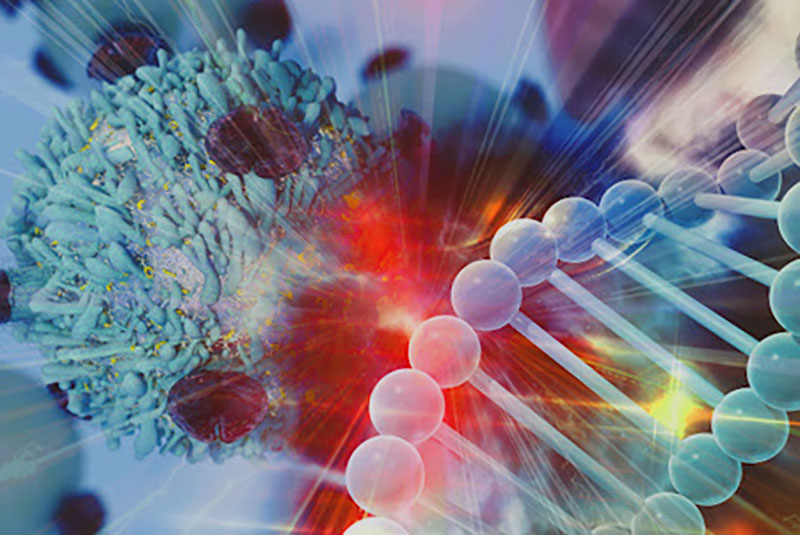
represent two distinct yet complementary strategies aimed at enhancing and leveraging the body's inherent immune defenses. Immunotherapy involves the use of medications and treatment modalities designed to either amplify, modify, or restore the immune system's response. It has emerged as a revolutionary approach in treating a range of conditions, including various cancers, autoimmune diseases, and allergies. A prime example is the use of monoclonal antibodies, which are engineered to specifically target unique antigens on cancer cells, thereby enabling the immune system to more effectively identify and eradicate these malignant threats.
Immunoprophylaxis
, on the other hand, focuses on proactive measures to prevent infections and fortify the immune system before disease strikes. Vaccination
stands as the most prominent and successful method of immunoprophylaxis globally. Vaccines work by introducing a weakened or inert form of a pathogen, or parts of it, to the body. This safely stimulates the immune system to produce its own antibodies and memory cells, providing long-term protection against future encounters with the actual pathogen. Classic examples include vaccines against influenza, measles, and polio.
Beyond vaccination, other crucial immunoprophylactic measures include adopting a holistic healthy lifestyle. This encompasses a balanced and nutritious diet rich in essential vitamins and minerals, engaging in regular physical exercise, ensuring adequate and restorative sleep, and effectively managing stress levels. These lifestyle factors collectively contribute to maintaining a robust immune system, significantly reducing the risk of infections and promoting overall well-being.
"Immunotherapy and immunoprophylaxis are cornerstone strategies in modern medicine, dedicated to protecting our health and combating diseases."