The profound satisfaction derived from preparing your own fish is truly unparalleled, especially when such a dish graces a festive family table. While numerous simple and quick recipes exist for transforming even common fish into a delicious meal, we are confident that our unique approach will captivate both seasoned anglers and their loved ones, promising an extraordinary culinary experience.
The art of catching zander
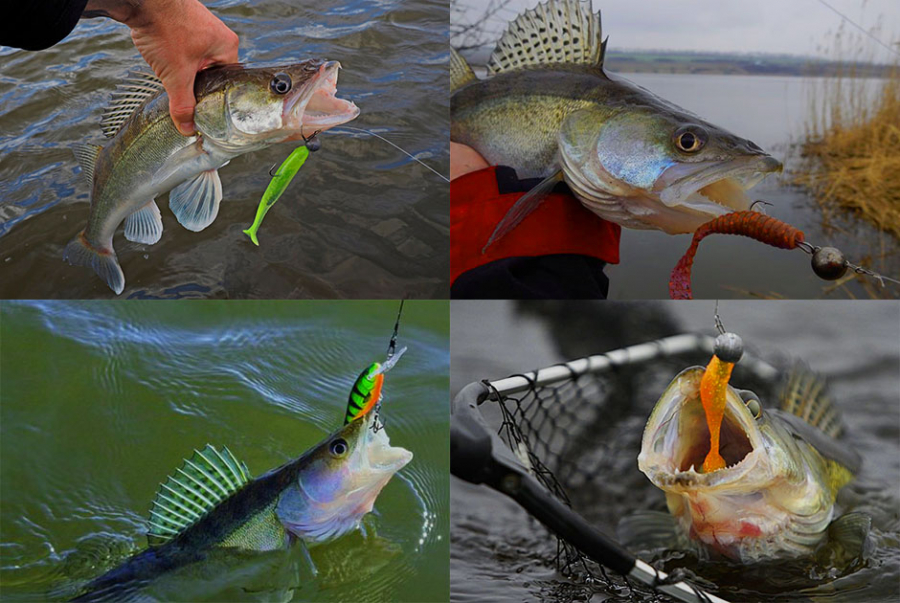
For those seeking the thrill of landing a zander, jigging stands out as the most productive and exciting method. However, success isn't just about the technique; it's a careful dance between meticulous gear preparation and astute selection of your fishing grounds. This elusive predator, known for its extreme caution, demands a perfectly tuned spinning setup, a judicious choice of lures, and a well-honed tactical approach.
The selection of your zander tackle is far from arbitrary; it's a strategic decision influenced by a multitude of environmental factors. Consider, for instance, the body of water itself: still lakes call for different rod characteristics than a swift-flowing river. This adaptation is paramount for effective angling.
Beyond the water's nature, your chosen fishing platform also dictates gear. Whether casting from the stable deck of a boat or the varied terrain of the shore, the length of your rod becomes a critical consideration, directly impacting casting distance and maneuverability.
Both braided line and monofilament can be employed, but for zander, braided line is overwhelmingly recommended. While monofilament might find its niche in pike fishing, the distinctive traits of zander call for the superior properties of braid. Why this preference?
Braided line offers exceptional technical advantages. It boasts remarkable tensile strength at a minimal diameter, crucial for battling powerful fish without excessive bulk. Furthermore, its near-zero stretch provides unparalleled sensitivity, allowing anglers to detect even the most subtle takes from a passive predator.
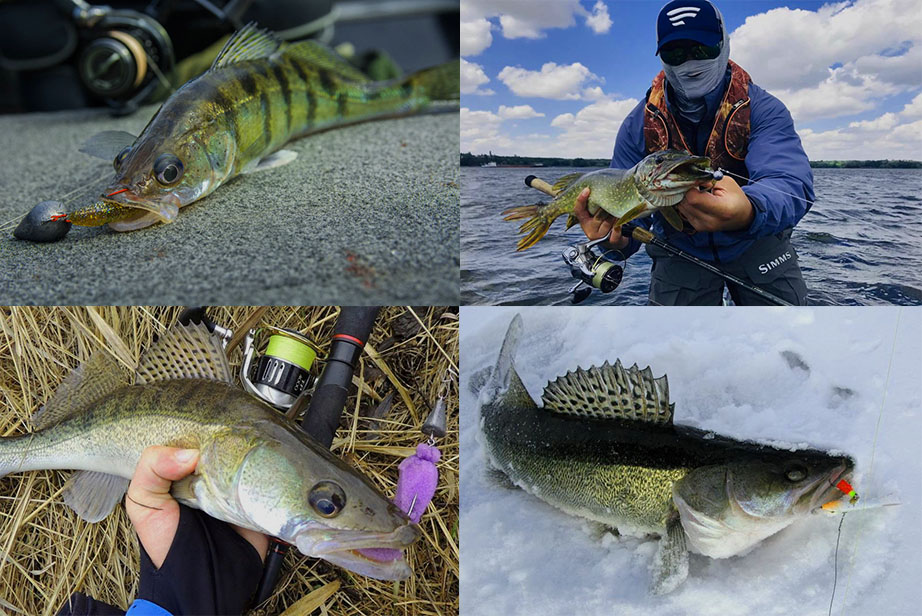
The conditions under which you fish profoundly influence your spinning rod choice; indeed, there's no single "universal" zander rod that excels in all scenarios. Therefore, let's explore optimal rod lengths tailored for specific fishing environments:
- When fishing from the shore, a rod between 2.4 and 2.7 meters (approximately 8-9 feet) offers an excellent balance of casting distance and control.
- For those primarily targeting zander from a boat, a shorter rod, typically 1.8 to 2.1 meters (around 6-7 feet), provides superior maneuverability and ease of handling in confined spaces.
Filleting zander a guarantee of culinary excellence
When preparing the ingredients for our delectable "river fish herring," the precise filleting of the zander plays a pivotal role. This isn't merely a task; it's an art demanding both dexterity and the right tools: a razor-sharp knife and a dedicated cutting board. For crafting pristine fish fillets, a knife with a thin, flexible blade, sharpened to an almost surgical edge, is the optimal choice.
It's crucial to understand that this specialized filleting knife is not suited for bone work, which requires a more robust blade with a sturdier, less acute edge designed for heavier tasks.
Equally important is a cutting board reserved exclusively for fish, preventing any cross-contamination with other foods and maintaining impeccable hygiene.
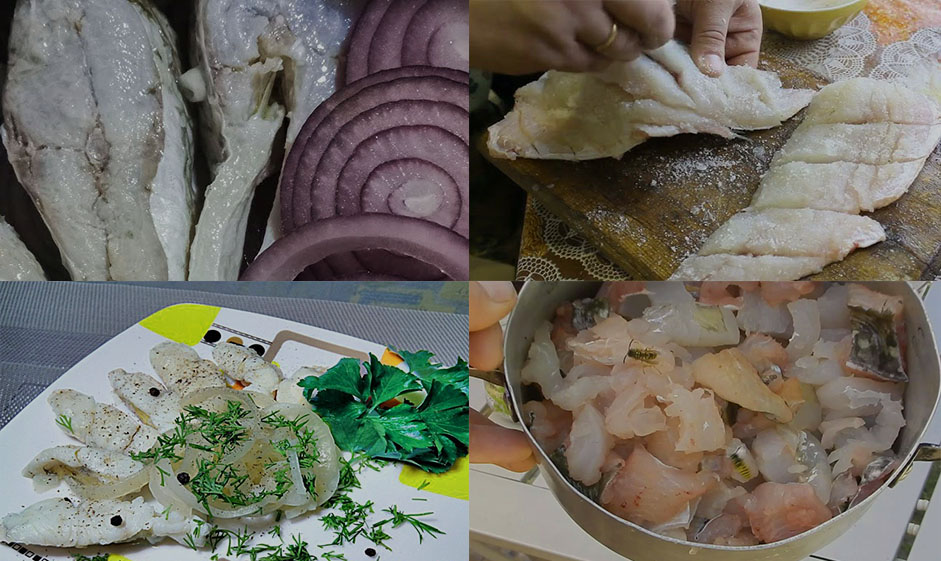
With careful precision, the fish meat is gently separated from the bones, then meticulously skinned. Should any larger pin bones remain, a pair of culinary tweezers will prove invaluable for their removal. Zander, with its naturally minimal bone structure, is ideally suited for preparing this exquisite "herring" dish. The key is to handle the fish delicately, avoiding over-processing, yet ensuring it is thoroughly cleaned-a balance that often comes with practice and experience.
For an added measure of safety and to enhance the fish's texture, we recommend freezing the fillets for several days. The ultimate goal is to remove as much moisture as possible from the meat, resulting in a wonderfully firm and resilient texture that is perfect for curing.
To streamline your culinary process and ensure no crucial step is overlooked, adopt the "mise en place" philosophy: prepare and organize all ingredients in advance, arranging them in the order of their use.
Begin by placing the precisely cut fish pieces into a suitable container. Next, meticulously measure out each spice and arrange them within easy reach, creating an efficient workflow.
The question of spice selection for this delightful river fish preparation often arises. The simple answer is to follow your palate and use what you love. However, three indispensable components form the bedrock of this recipe: salt, vinegar, and whole black peppercorns. While personal preferences are encouraged and can be explored further in a video guide, these staples are non-negotiable.
Now, with all the necessary procedures completed, your carefully prepared ingredients are nestled in their respective containers and awaiting their transformation in the refrigerator. All that remains is the virtue of patience, allowing the fish to slowly "mature" and absorb the flavors. A few hours of anticipation, and you will be rewarded with an absolutely magnificent result!
Ingredients for zander herring:
- Zander
1 kg (approx. 2.2 lbs)
- Hot water
600 ml (approx. 2.5 cups)
- Salt
2 tbsp (level, not heaped)
- Black peppercorns
12-15 pieces
- Bay leaves
2-3 pieces