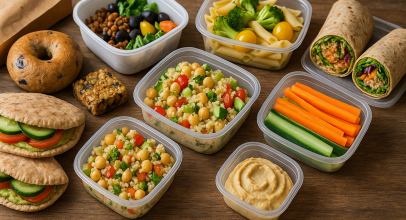

Beyond old beliefs
The old adage, "if you've overeaten, it means you didn't eat enough before," often misses the mark entirely. Excess weight is frequently a direct consequence of consuming more calories than your body truly needs. Paradoxically, rigid diets and strict food limitations can inadvertently trigger overeating episodes. These severe restrictions often lead to intense feelings of deprivation and hunger, which ultimately can culminate in a significant binge or "fall from grace."
Hidden triggers for overeating
One often-overlooked factor contributing to overeating is inadequate hydration. Our bodies sometimes confuse the sensation of thirst with hunger, prompting us to reach for food when what we truly need is water. Insufficient fluid intake can also slow down metabolic processes, further complicating weight management efforts.
Another powerful trigger is chronic sleep deprivation and pervasive fatigue. When the body is exhausted, it signals a need for rest and energy. Instead of prioritizing restorative sleep, many instinctively seek a quick energy boost through food, leading to unnecessary calorie intake.
Cultivating mindful eating
To truly nourish yourself, dedicate your full attention to your meals. Avoid the common habit of eating on the go, while engrossed in a book, or distracted by a computer screen. This practice of mindful eating allows you to savor each bite, recognize your body's satiety signals, and develop a more conscious relationship with your food.
Navigating emotional hunger
Food should not be a crutch for your feelings. Whether you're experiencing joy or profound sadness, resist the urge to use eating as a mechanism to suppress or amplify emotions. Take a moment to analyze your true feelings and discern what emotional need truly underlies your cravings, seeking non-food related ways to address them.
Challenging ingrained food rules
Dispel the myths of childhood, such as "clean your plate" or "food should never be wasted." Learn to listen attentively to your body's internal cues. If you're feeling full, stop eating, regardless of what's left on your plate. Excess food can be repurposed thoughtfully, perhaps by sharing it with those in need, rather than forcing yourself to consume past the point of comfort.
Reinventing your dietary narrative
It's crucial to critically examine your established eating habits and family traditions. Do not hesitate to transform your lifestyle so that you are the architect of your choices, rather than being dictated by ingrained routines. Make conscious decisions towards healthier living – for instance, gradually substituting sugary tea with a sugar-free herbal infusion. Over time, these small, deliberate changes will foster new, beneficial habits that empower you.
Overcoming consistent setbacks
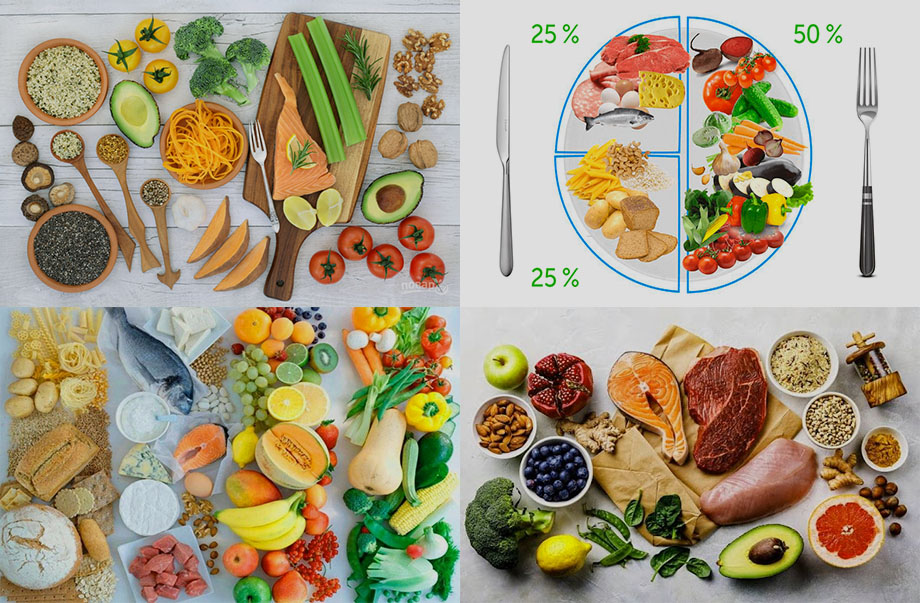
Achieve true balance in your daily menu by structuring it around three main meals and incorporating zero to two healthy snacks. Adhere to consistent intervals between eating, actively avoiding impulsive or unplanned snacking. If creating a balanced diet feels overwhelming, consider exploring a healthy meal delivery service. Such services can tailor a nutritional program specifically to your needs, taking into account your weight goals and overall health status.
Prioritize adequate water intake throughout your day.
Ensure you maintain a healthy and consistent sleep schedule.
Investigate the underlying emotional needs you attempt to satisfy with food and actively seek alternative, non-food related methods to fulfill them.
Should you experience a relapse, refrain from self-punishment. Instead, approach the situation with curiosity: identify the genuine trigger and reflect on what adjustments you can make to your daily routine or approach to prevent similar occurrences in the future. Proactively plan your response for potential future challenges.