
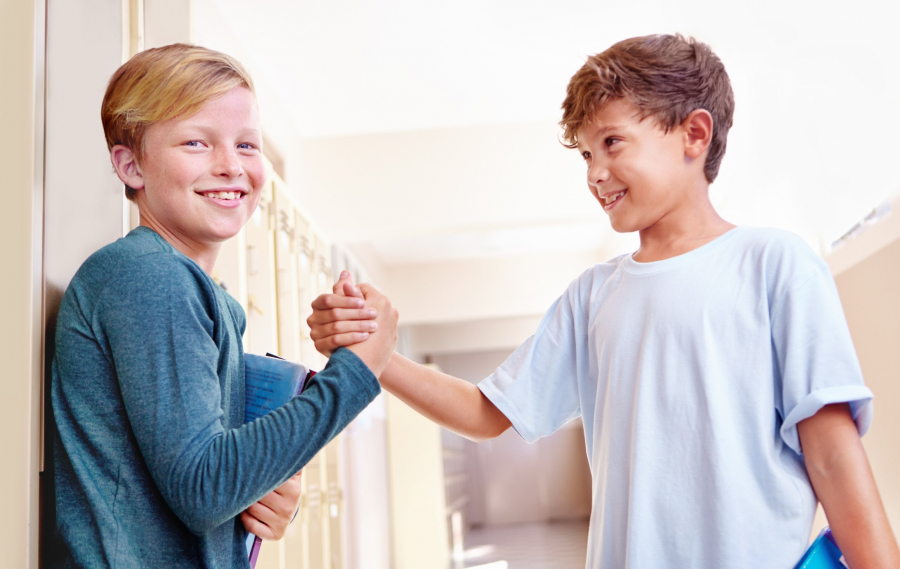
In every child's life, there comes a moment of reckoning with conflict-whether it's with classmates, siblings, or even adults. Conflicts are an inherent part of the human experience, and while many instinctively shy away from them, they are, in fact, powerful teachers. When we equip our children with the right tools to navigate these encounters, conflicts transform from potential disasters into fertile ground for growth and mutual understanding. How do we impart to a child that these clashes are not catastrophic endpoints, but rather pivotal opportunities for development?
The art of resolving conflicts peacefully and constructively hinges significantly on the role of parents. It is through our guidance that a child learns to foster understanding with others as they grow, choosing pathways of connection over aggression or destructive behaviors.
This article serves as your essential guide through the landscape of conflict, offering insights and keys to effectively teaching your child the vital skill of resolution.
Understanding conflicts
Before guiding a child through conflict resolution, parents must first grasp its fundamental nature: conflict is a natural process. Each disagreement stems from a unique set of circumstances, ranging from divergent viewpoints to competition for resources or attention. In the world of children, these "battles" might appear trivial to an adult, yet for the child, they carry immense emotional weight and significance.
"Conflicts are not defeats, but rather opportunities for a fresh start. And our role as parents is to teach a child to see conflict not as an adversary, but as an ally that helps them grow."
How to teach a child constructive conflict resolution
Above all, we must recognize that for a child to resolve conflicts effectively and appropriately, it's not enough to simply explain how; we must demonstrate it through our own actions. Children are keen observers; they absorb everything they witness. Thus, your personal conduct and approach to conflicts become their most profound lessons.
-
Listen to the child and respect their feelings
A cornerstone of any conflict resolution is active listening. A child needs to feel that their emotions and thoughts are acknowledged and valued. When a child senses they are not being dismissed and are genuinely heard, they become more receptive to exploring solutions. -
Teach the child to articulate their emotions
Often, conflicts escalate because children lack the vocabulary to express their feelings. They struggle to articulate what specifically upset them or sparked their anger. Guide your child in identifying and naming their feelings: "I'm angry because..." or "I feel uncomfortable when...". This emotional literacy empowers them to understand and manage their internal states. -
Encourage the search for compromises
One of the most invaluable skills in conflict resolution is the ability to find common ground. Rather than striving for victory in every situation, a child should learn to seek solutions that are acceptable to all parties involved. Illustrate how often both sides can achieve agreement if they are willing to make concessions. -
Explain the importance of emotional self-control
It's crucial for children to learn how to regulate their emotions, preventing anger or frustration from taking over. Teach them to pause before reacting impulsively to an insult or provocation. Explain that sometimes it’s best to take a moment, breathe deeply, and then continue the conversation with a clearer mind.
"Emotional self-control is not a display of weakness, but a manifestation of wisdom. It is the path through which we discover inner peace."
-
Be a role model for the child
It's not enough to simply instruct; you must embody the behavior you wish to cultivate in your child. When you respond to conflicts calmly, constructively, and respectfully, your child learns directly from your example. Your own reactions to conflicts serve as daily, tangible lessons for them. -
Support constructive conflict resolution methods
Children should be aware of the diverse methods available for resolving disagreements. They can discuss the situation, take time to reflect, employ negotiation techniques, or even use calming practices like meditation. Encourage them to choose the most appropriate approach depending on the specific situation.
Essential skills for overcoming conflicts
Several fundamental skills not only help a child effectively navigate conflicts but also foster their development into a better friend, partner, and contributing member of society.
-
Active listening
Teach your child to listen not merely to formulate a response, but to genuinely comprehend the other person's perspective. Active listening significantly reduces tension and deepens understanding of the underlying issue. -
Compassion and empathy
Explain to your child the importance of treating others' feelings with the same consideration they wish for their own. Empathy disarms aggression and paves the way for mutual understanding in conflict. -
Problem-solving
Guide your child to focus not on who is right or wrong, but on how to resolve the problem at hand. This shift in perspective allows them to concentrate on tangible outcomes rather than getting entangled in emotional arguments.
Teaching a child to resolve conflicts is a pivotal aspect of parenting, profoundly impacting their emotional and social development. The core principles we've explored-patience, active listening, a constructive approach to conflict, and self-control-are more than mere skills; they are life experiences that will help your child mature into a resilient and successful individual.
"Conflicts are not an end, but merely a new beginning. If a child learns to resolve them, they will learn to live in harmony with themselves and the world."
Do not shy away from integrating these lessons into your daily life, for as parents, you are uniquely positioned to be the most influential mentors on your child's journey through life's challenges.