- How facial skin changes with age
- Understanding the main causes of premature skin aging
- The importance of daily sun protection
- Ingredients that support youthful-looking skin
- Building an effective anti-aging skincare routine
- Comparison of common anti-aging ingredients
- Interesting facts
- The connection between nutrition and skin health
- Professional treatments for aging skin
- Signs that your skincare routine needs adjustment
How facial skin changes with age
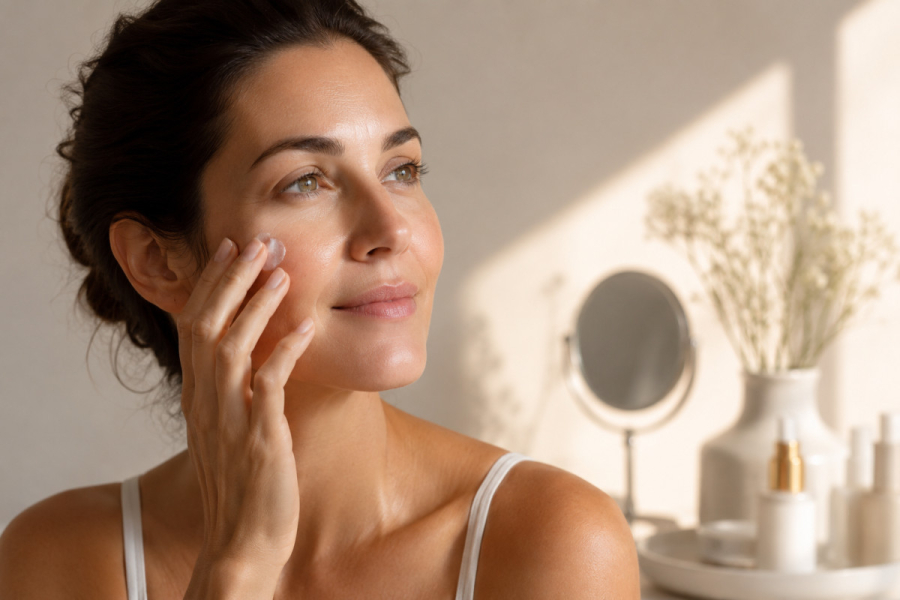
Skin is constantly renewing itself, but this process gradually slows down over time. Collagen production decreases, elastin fibers lose flexibility, and the skin's natural moisture barrier becomes less effective. These changes can lead to fine lines, uneven texture, dullness, and reduced firmness.
While aging is a natural process, many visible signs are influenced by external factors. Sun exposure, pollution, stress, sleep quality, and daily skincare habits often affect the appearance of the skin as much as genetics. Understanding these influences helps create a more effective anti-aging skincare routine.
Healthy-looking skin is usually the result of consistent care rather than a single miracle product.
Modern skincare focuses not only on reducing visible signs of aging but also on supporting long-term skin health. Prevention and protection are often more effective than attempting to reverse years of accumulated damage.
Understanding the main causes of premature skin aging
Premature aging occurs when environmental and lifestyle factors accelerate natural biological changes. Ultraviolet radiation remains one of the leading causes of early wrinkles, pigmentation issues, and loss of elasticity. Even short periods of daily sun exposure can contribute to cumulative damage over time.
Smoking, excessive alcohol consumption, chronic stress, poor nutrition, and inadequate sleep can further weaken the skin's ability to repair itself. These factors may increase inflammation and oxidative stress, which contribute to visible aging.
- Sun exposure breaks down collagen and elastin fibers;
- Smoking reduces blood flow and oxygen delivery to skin cells;
- Sleep deprivation can impair overnight skin repair processes;
- Poor hydration may make fine lines appear more noticeable;
Addressing these factors often produces more noticeable improvements than relying solely on cosmetic products.
The importance of daily sun protection
Many dermatologists consider sunscreen the most important anti-aging skincare product. Ultraviolet rays can penetrate the skin even on cloudy days and contribute to wrinkles, age spots, and uneven skin tone.
Daily sun protection helps preserve collagen, reduce hyperpigmentation, and minimize future signs of aging. Consistent use over many years can significantly affect how skin ages.
Broad-spectrum SPF products are generally recommended because they protect against both UVA and UVB radiation. Applying sunscreen should become a year-round habit rather than a seasonal practice.
Ingredients that support youthful-looking skin
Skincare ingredients play different roles in maintaining healthy skin. Some focus on hydration, while others encourage cell turnover, improve texture, or help reduce visible signs of aging.
- Retinol supports skin renewal and improves the appearance of fine lines;
- Vitamin C helps brighten the complexion and provides antioxidant protection;
- Hyaluronic acid attracts moisture and improves hydration levels;
- Niacinamide helps strengthen the skin barrier and reduce uneven tone;
- Peptides may support collagen production and skin firmness;
The effectiveness of these ingredients often depends on consistent use rather than immediate results. Many active ingredients require several weeks or months before visible improvements become noticeable.
Building an effective anti-aging skincare routine
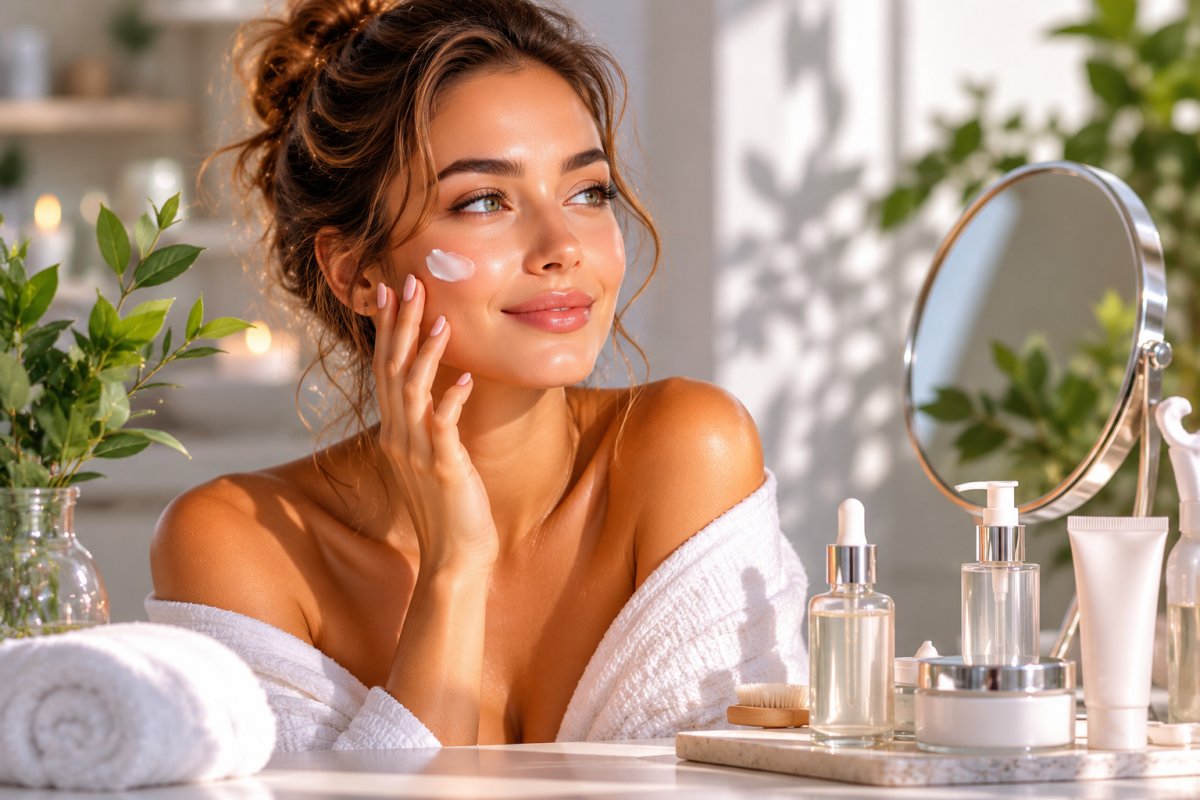
An anti-aging routine does not need to be complicated. In many cases, a few carefully selected products provide better results than a large collection of treatments used inconsistently.
A simple routine may include a gentle cleanser, antioxidant serum, moisturizer, and sunscreen in the morning. Evening routines often focus on hydration and targeted treatments such as retinoids.
Consistency is often more valuable than complexity when it comes to long-term skincare results.
Choosing products based on individual skin type is equally important. Oily, dry, combination, and sensitive skin all have different requirements that should be considered when selecting formulations.
Comparison of common anti-aging ingredients
| Ingredient | Main benefit | Best suited for |
|---|---|---|
| Retinol | Improves texture and fine lines | Aging and uneven skin |
| Vitamin C | Brightens and protects | Dullness and pigmentation |
| Hyaluronic Acid | Deep hydration | Dry and dehydrated skin |
| Niacinamide | Barrier support and tone improvement | Sensitive and combination skin |
| Peptides | Supports firmness | Mature skin |
Interesting facts
Scientific studies suggest that collagen production begins to decline gradually during adulthood. While the exact rate varies among individuals, lifestyle habits can significantly influence how visible these changes become.
The skin performs much of its repair work during sleep. This is one reason why consistent, high-quality sleep is frequently associated with a healthier complexion.
- The skin is the largest organ in the human body;
- Daily sunscreen use may help prevent many visible signs of premature aging;
- Hydrated skin often appears smoother and more radiant;
- Environmental pollution can contribute to oxidative stress within the skin;
Even small improvements in daily habits can positively affect skin appearance over time.
The connection between nutrition and skin health
Nutrition plays an important role in maintaining healthy skin. A balanced diet provides vitamins, minerals, antioxidants, and healthy fats that support normal skin function and repair processes.
Foods rich in antioxidants may help combat oxidative stress caused by environmental factors. Fruits, vegetables, nuts, seeds, and fatty fish are frequently associated with skin-supportive nutrients.
Hydration is equally important. While drinking water alone is not a cure for skin concerns, maintaining adequate hydration supports overall health and helps the body function efficiently.
Professional treatments for aging skin
In addition to home skincare routines, many people explore professional treatments. Options such as chemical peels, microneedling, laser treatments, and radiofrequency procedures are commonly used to improve skin texture and appearance.
Different treatments target different concerns. Some focus on pigmentation, while others aim to improve firmness, stimulate collagen production, or reduce the appearance of wrinkles.
Professional treatments typically work best when combined with consistent daily skincare and sun protection.
Consulting a qualified skincare professional can help determine which treatments are most appropriate based on individual goals and skin conditions.
Signs that your skincare routine needs adjustment
Skin changes throughout life, and routines often need occasional updates. Products that worked well in the past may become less effective as environmental conditions, age, and skin needs evolve.
Persistent dryness, irritation, increased sensitivity, or lack of visible results may indicate that adjustments are necessary. Seasonal changes can also affect how the skin responds to certain ingredients and formulations.
Regularly evaluating skincare habits helps ensure that products continue supporting healthy, balanced, and youthful-looking skin over the long term.