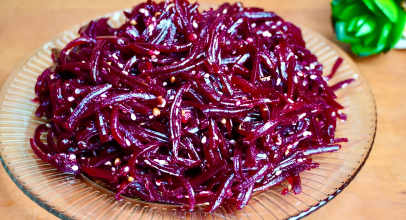
Beet and garlic salad without mayonnaise
Recipes are stories told through flavor, texture, and aroma. They begin long before the first ingredient is prepared, often forming as a memory, a craving, or a quiet desire to gather people around a table. A blog about recipes is not only a collection of instructions, but a living archive of everyday moments, family traditions, and creative experiments in the kitchen.
Cooking naturally slows time. It brings attention back to hands, senses, and simple actions that are often overlooked in daily life. Writing about recipes allows these moments to be captured and shared, turning ordinary meals into meaningful experiences that stay in memory long after the plates are cleared.
A good recipe is not just about taste, but about the feeling it leaves behind.
A well-written recipe blog balances inspiration and clarity. It invites readers to cook with confidence while leaving room for intuition and personal interpretation. The kitchen becomes a place of calm creativity rather than obligation.
Recipes shape daily routines more than we often realize. They influence how mornings begin, how evenings end, and how weekends feel. A recipe blog reflects this rhythm, offering ideas that fit into real life rather than idealized perfection.
Food quietly structures the day. Breakfast sets the tone, lunch restores energy, and dinner often becomes a pause that reconnects people after long hours apart. Writing about recipes acknowledges this rhythm and respects the reality of busy schedules.
Home cooking is deeply connected to emotional comfort. A recipe blog often focuses on familiar dishes that feel safe, warm, and grounding, especially during busy or uncertain times. These recipes carry reassurance rather than complexity.
Simple meals with familiar flavors
Dishes connected to childhood memories
Warm soups and baked foods
Recipes that require patience rather than speed
Such recipes remind readers that cooking does not need to be complicated to be meaningful. Comfort often comes from repetition and familiarity, from meals that feel like returning home.
Daily cooking can feel repetitive without inspiration. A recipe blog helps refresh routine by offering small variations and practical ideas that save time and energy without sacrificing enjoyment.
Easy breakfasts for busy mornings
Balanced lunches for workdays
Flexible dinners with simple ingredients
Leftover-friendly meals
Planning meals thoughtfully reduces stress. A recipe blog supports this process by offering realistic solutions rather than idealized menus.
Seasonality brings natural structure to cooking. A recipe blog that follows the seasons feels more grounded and sustainable, encouraging readers to cook in harmony with availability and mood.
Seasonal recipes reflect changes not only in nature, but also in energy levels and emotional needs. The food naturally adapts to weather, light, and rhythm of life.
Fresh, seasonal ingredients often require less manipulation. A recipe blog highlights their natural flavors, encouraging respect for the product rather than overcomplication.
Fruits and vegetables at peak ripeness
Herbs that enhance rather than dominate
Simple preparation methods
Minimal processing
This approach makes cooking feel intuitive and accessible. It teaches readers to trust ingredients rather than rely on heavy techniques or excessive seasoning.
Each season carries its own emotional tone, reflected in food choices. Writing about seasonal recipes adds atmosphere and sensory depth to a recipe blog.
Light and fresh dishes for spring
Cooling meals for summer heat
Warm and earthy flavors for autumn
Rich and comforting recipes for winter
Seasonal recipes follow not only the calendar, but the emotional needs of the moment.
This perspective allows readers to connect food with feeling, creating a deeper relationship with cooking throughout the year.
Health-focused recipes are most effective when they avoid extremes. A recipe blog emphasizes balance, flexibility, and enjoyment rather than strict rules or restrictions.
Healthy eating becomes sustainable when it feels natural and satisfying. Writing about balance helps readers move away from guilt and toward long-term wellbeing.
A recipe blog can offer nutritious ideas without turning food into a source of anxiety. The tone remains supportive, realistic, and reassuring.
Balanced portions
Variety of ingredients
Mindful preparation
Enjoyment without guilt
This approach helps readers understand that health is built through consistency and care, not through perfection.
Mindful cooking encourages presence. It shifts focus from speed to awareness, turning preparation into a calming ritual rather than a task to rush through.
Preparing ingredients slowly
Noticing aromas and textures
Cooking without distractions
Eating with attention
These habits deepen satisfaction and help food feel nourishing on both physical and emotional levels.
Baking often feels more expressive than routine cooking. A recipe blog treats baking as a form of creativity, patience, and quiet joy.
The act of baking invites trust in process. Measurements, timing, and temperature come together in a way that rewards attentiveness.
The process of baking has a rhythm that many find comforting. A recipe blog captures this rhythm through descriptive language and gentle guidance.
Measuring and mixing
Waiting and watching
Anticipating results
Sharing the final outcome
Baking teaches patience and rewards trust in the process.
These steps turn baking into a meditative experience rather than a purely technical one.
A balanced recipe blog includes both sweet and savory baking, showing how flavors can complement each other across different moods and occasions.
Light desserts for everyday enjoyment
Rich baked goods for special moments
Savory pastries for shared meals
Simple baked staples
This variety keeps content engaging and useful for a wide audience.