
Magnetic storms and the Texas sky
Houston, a sprawling urban tapestry woven with threads of innovation, energy, and space exploration, stands as a testament to human ingenuity. Its bayous whisper tales of resilience, while its towering skyscrapers pierce a sky often ablaze with the setting sun. Yet, far beyond the familiar blue, an unseen cosmic ballet plays out, capable of sending ripples through this vibrant heart of industry. These are magnetic storms, powerful disturbances originating from our sun, and while their dramatic auroral displays are rarely seen over the Gulf Coast, their potential impact on Houston's intricate web of technology and infrastructure is a profound concern.
In a city that prides itself on being a global hub for energy and space, understanding these celestial phenomena transcends mere scientific curiosity; it becomes a critical aspect of preparedness and resilience. Imagine the sun, a seemingly placid golden orb, suddenly unleashing a torrent of charged particles, hurtling them across 93 million miles. When these particles collide with Earth's magnetic field, they ignite a geomagnetic storm, a spectacular yet potentially disruptive event that touches everything from the deepest oil pipelines to the highest orbiting satellites.
The science behind celestial ripples
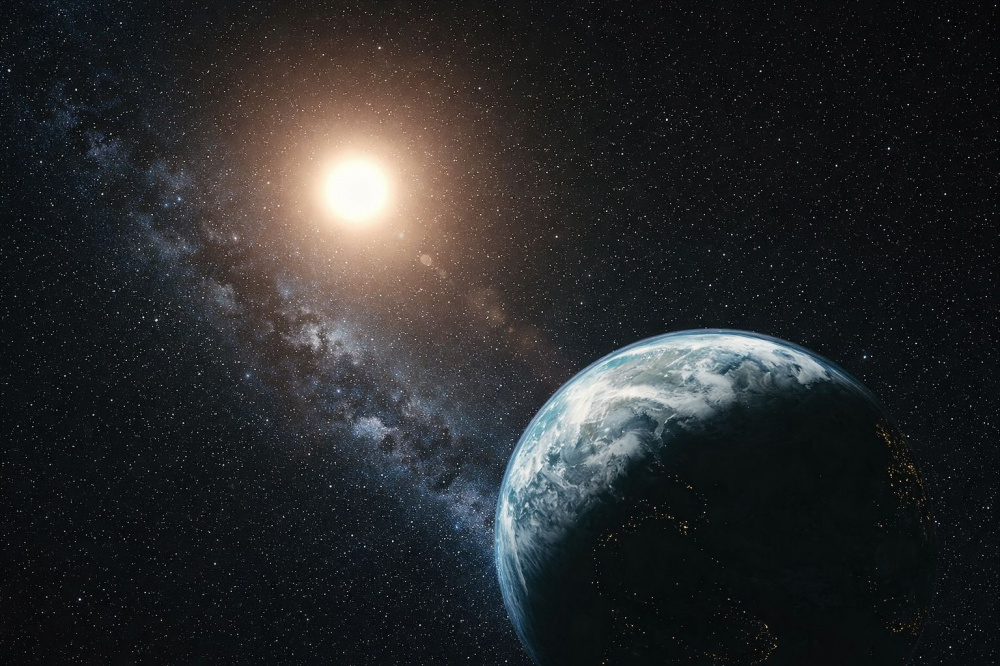
The genesis of a magnetic storm lies within the fiery crucible of our sun. Violent eruptions, known as coronal mass ejections (CMEs), launch billions of tons of plasma and magnetic field into space at incredible speeds. These CMEs, along with high-speed solar winds emanating from coronal holes, are the primary drivers of geomagnetic disturbances.
The sun's temper tantrums
A CME is essentially a giant bubble of gas, superheated to millions of degrees, laced with magnetic field lines. When directed towards Earth, it can take anywhere from one to five days for this solar material to traverse the vast expanse of space. Upon arrival, it slams into Earth's protective magnetosphere, a magnetic bubble generated by our planet's molten core. This collision can compress the magnetosphere, allowing charged particles to penetrate deeper into Earth's atmosphere, particularly near the poles, where they excite atmospheric gases to create the mesmerizing aurora.
Geomagnetically induced currents
But the visual spectacle is only one manifestation. The rapidly changing magnetic fields during a storm induce electric currents in conductive materials on Earth's surface and subsurface. These are known as geomagnetically induced currents (GICs). GICs can flow through long conductors like power transmission lines, oil and gas pipelines, and even communication cables, creating stress and potential damage to vital infrastructure. The intensity of these storms is often measured by the Kp-index, ranging from 0 (quiet) to 9 (extreme), providing a benchmark for potential terrestrial impacts.
Houston's vulnerability and resilience
Houston's unique geographical, industrial, and technological footprint places it in a distinctive position regarding magnetic storms. As the energy capital of the world and home to NASA's Johnson Space Center, the city's reliance on interconnected systems is immense, making it particularly susceptible to the widespread effects of space weather.
A grid under cosmic pressure
The Texas power grid, managed by ERCOT (Electric Reliability Council of Texas), is a complex and largely isolated system. While this independence offers certain advantages, it also means that the grid must be self-reliant in mitigating widespread disturbances. GICs pose a significant threat to large transformers, especially those in high-voltage transmission networks. These currents can push transformers into saturation, leading to reactive power loss, voltage fluctuations, and potential equipment damage or cascading blackouts.
In a city powered by innovation, the silent, invisible waves from the sun pose a profound challenge to the very arteries of our modern existence.
Subsurface susceptibilities
Houston's flat terrain and the Gulf Coast's typically high ground conductivity can amplify the effects of GICs, making the region more vulnerable compared to areas with resistive geology. This enhanced conductivity means that induced currents can flow more easily and over longer distances through the ground, impacting not just power lines but also extensive networks of metallic pipelines for oil, natural gas, and water, potentially accelerating corrosion or interfering with cathodic protection systems.
The space city's cosmic connection
NASA Johnson Space Center, a beacon of human exploration, relies heavily on satellite communication, GPS, and robust ground systems. Magnetic storms can disrupt these critical links, affecting everything from mission control operations to the safety of astronauts in low Earth orbit, where increased radiation exposure becomes a concern. GPS signals, vital for navigation in shipping channels, aviation, and even ride-sharing services, can be degraded or completely lost during severe space weather events, causing significant operational disruptions in a metropolis built on precise logistics.
Impact on infrastructure and technology
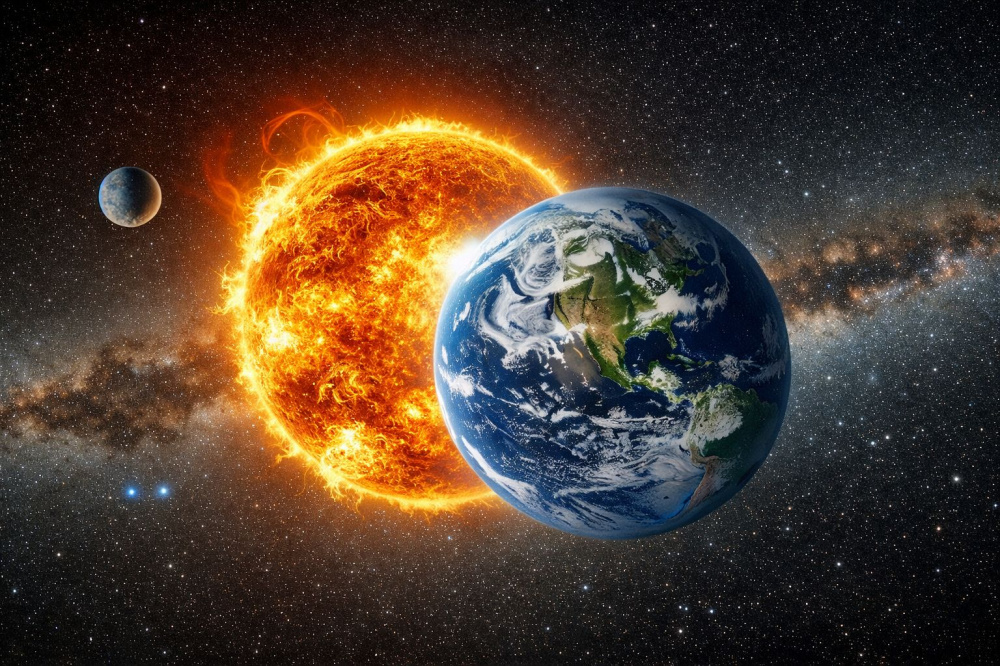
The unseen force of a magnetic storm can manifest in tangible and disruptive ways across Houston's diverse technological landscape.
Power grid instability
The most immediate and concerning impact is on the electrical power grid. During a severe geomagnetic storm, GICs flowing through transformers can lead to overheating, shortened lifespan, or even catastrophic failure. A widespread transformer failure could result in prolonged blackouts, significantly impacting homes, businesses, hospitals, and critical infrastructure like water treatment plants and communication hubs. The economic repercussions alone could be staggering.
Navigation and communication woes
Satellite systems are particularly vulnerable. Magnetic storms can cause atmospheric drag on satellites in low Earth orbit, altering their trajectories. They can also interfere with satellite signals, degrading the accuracy of GPS and disrupting satellite TV, internet, and critical weather forecasting data. For Houston's bustling port, a hub of international commerce, accurate GPS is indispensable for ship navigation, docking, and cargo management. Aviation, too, relies heavily on GPS for safe and efficient flight paths.
Oil and gas pipeline concerns
Houston's identity as the energy capital means an extensive network of pipelines crisscrosses the region. GICs can introduce stray currents into these metallic pipelines, interfering with their cathodic protection systems designed to prevent corrosion. Over time, this can lead to accelerated corrosion and potential pipeline integrity issues, posing environmental and safety risks.
Radio and scientific disruptions
Shortwave radio communication, used by emergency services, amateur radio operators, and some maritime vessels, can be severely degraded or blacked out entirely during intense magnetic storms due to increased absorption in the ionosphere. Furthermore, sensitive scientific instruments, including those used by NASA for space weather monitoring or by geological surveys, can experience interference or data corruption.
Interesting facts about magnetic storms and their reach
- The Carrington Event (1859) The most famous and powerful geomagnetic storm on record. It caused telegraph systems worldwide to fail, shocked operators, and even ignited telegraph papers. Auroras were seen as far south as the Caribbean.
- Aurora in Texas Extremely powerful magnetic storms can push the aurora oval much further south than usual. While rare, there have been historical instances where faint auroras were observed in parts of Texas.
- Animal navigation Some scientists believe that migratory animals, like birds and whales, use Earth's magnetic field for navigation. Intense magnetic storms could potentially disrupt their internal compasses.
- Economic impact A severe, modern-day magnetic storm comparable to the Carrington Event could cause trillions of dollars in damage globally, primarily through prolonged power outages and infrastructure repair costs.
- The sun's cycle Solar activity, including the frequency of CMEs, follows an approximately 11-year cycle. We are currently in Solar Cycle 25, which is projected to be more active than the previous one, increasing the likelihood of significant space weather events.
- Early warning The NOAA Space Weather Prediction Center (SWPC) constantly monitors the sun and space environment, providing forecasts and warnings of impending magnetic storms, giving critical time for mitigation actions.
Protecting the lone star grid
Given the significant potential for disruption, extensive efforts are underway to bolster Houston's, and indeed Texas's, resilience against magnetic storms. This involves a multi-faceted approach combining advanced monitoring, infrastructure upgrades, and robust operational protocols.
Vigilance from above and below
The first line of defense is accurate space weather forecasting. Agencies like NOAA's Space Weather Prediction Center continuously monitor the sun with a network of satellites, providing vital early warnings of CMEs headed toward Earth. These alerts give grid operators, satellite companies, and other critical infrastructure managers precious hours to prepare.
Preparedness against cosmic forces demands foresight, innovation, and unwavering commitment, safeguarding our urban lifeline.
Hardening the heart of the grid
For the power grid, mitigation strategies include implementing GIC-blocking devices on transformers, which are designed to prevent the flow of geomagnetically induced currents. Utilities also engage in comprehensive modeling to identify the most vulnerable transformers and substations, allowing for targeted upgrades. Operational procedures might involve temporarily reconfiguring the grid during a storm to reduce stress on critical components or even preemptively shedding non-essential load to maintain stability.
Cross-sector collaboration
Beyond the power grid, other sectors are also building resilience. NASA employs robust radiation shielding for spacecraft and establishes protocols for astronauts during elevated solar activity. The maritime and aviation industries utilize redundant navigation systems and maintain communication backups. For pipelines, continuous monitoring for GICs and adjustments to cathodic protection systems can help mitigate corrosion risks. Effective preparedness also hinges on seamless information sharing and coordination between government agencies, private companies, and research institutions.
Looking skyward and beyond
Magnetic storms in Houston serve as a potent reminder of our interconnectedness with the cosmos, even in a bustling metropolis focused on terrestrial achievements. The invisible forces originating from our sun wield the power to ripple through our most advanced technologies, posing challenges to our power, communication, and navigation systems.
As Houston continues its trajectory as a global leader in energy, technology, and space exploration, the imperative to understand and prepare for space weather will only grow. It's a testament to human ingenuity that we can predict, monitor, and mitigate these cosmic events, ensuring that the lights stay on, the ships sail true, and the journey to the stars remains uninterrupted. The vibrant heartbeat of Houston continues, ever mindful of the subtle whispers from the sun, ready to adapt and thrive beneath the vast, unpredictable Texas sky.