Numerology is often described as the art of understanding life through numbers, but in a deeper sense it is a quiet dialogue between logic and intuition. Numbers appear everywhere: in dates, names, documents, addresses, and digital codes. They surround a person daily, forming an invisible background that rarely attracts attention. Numerology invites us to slow down and look at this background more carefully, to notice recurring patterns and symbolic repetitions that mirror inner states and life situations.
For many people, numerology becomes a gentle way to structure chaos. It does not impose rigid rules or predictions. Instead, it offers interpretation, helping to connect personal experiences with universal numerical archetypes. In times of uncertainty, this symbolic language feels especially comforting because it suggests that even randomness may carry meaning.
“Numbers do not command life, they gently reveal its direction.”
This idea transforms numerology from superstition into a reflective practice, where awareness becomes more important than belief.
The origins and philosophy of numerology
Ancient roots and timeless relevance
The history of numerology stretches back thousands of years, to eras when numbers were considered sacred symbols rather than neutral tools. Ancient civilizations observed that numbers governed music, architecture, astronomy, and natural cycles. These observations formed the foundation of numerical symbolism, where each number represented a specific quality or vibration.
Over time, numerology absorbed philosophical ideas and cultural interpretations, evolving into a system that connects mathematics with human experience. Despite technological progress, its relevance has not faded. In fact, the modern world filled with data, statistics, and algorithms has renewed interest in symbolic meanings behind numbers.
Numerology developed through observation and symbolism
-
Repeating patterns in nature
-
Mathematical harmony in art and sound
-
Symbolic importance of dates and cycles
-
Human tendency to seek order in numbers
This philosophical background explains why numerology still resonates with people searching for structure and meaning.
Numbers as mirrors of human experience
Numbers in numerology are not isolated signs. They reflect emotional states, life phases, and internal conflicts. When someone studies their personal numbers, they often recognize familiar traits or situations. This recognition creates a sense of connection, as if life itself is speaking through symbols rather than words.
Core numbers and their meanings
Life path number as a personal compass
The life path number is considered the central element of numerology. Calculated from the date of birth, it represents the general direction of a person’s life journey. Rather than defining destiny, it highlights tendencies, challenges, and opportunities that repeat over time.
People often find comfort in understanding their life path because it frames experiences within a broader context. Difficult moments feel less random when seen as part of a larger pattern, and successes gain deeper meaning.
Life path numbers are often associated with themes
-
Leadership and independence
-
Cooperation and emotional balance
-
Creativity and communication
-
Stability and responsibility
These themes act as reference points, encouraging conscious growth rather than limitation.
Expression and destiny numbers
Beyond the life path, numerology explores numbers derived from names. These numbers reflect how a person expresses themselves, interacts with others, and perceives their role in the world. The combination of name-based numbers and birth-based numbers creates a layered portrait that feels personal and dynamic.
This complexity is what attracts many people to numerology. It does not reduce personality to a single label but allows for nuance, contradiction, and evolution over time.
Numerology in everyday life
Practical applications beyond theory
Numerology is often perceived as abstract, yet many people use it in very practical ways. Choosing dates, planning projects, or reflecting on relationships through numerical symbolism can bring clarity and calm. This practice does not replace rational thinking but complements it, adding an intuitive layer to decision-making.
There are moments when a descriptive approach speaks louder than structured explanations. Imagine someone quietly reviewing numbers before an important step, not to predict success, but to feel aligned and prepared. This ritual itself becomes grounding.
Numerology is often applied in daily routines
-
Selecting dates for important events
-
Reflecting on compatibility and communication
-
Understanding personal strengths and limits
-
Observing cycles of action and rest
Through these applications, numbers become familiar guides rather than abstract symbols.
“When numbers are understood, choices become more conscious.”
This awareness reduces anxiety and supports thoughtful action.
Cycles, patterns, and personal growth
Repeating numbers and synchronicity
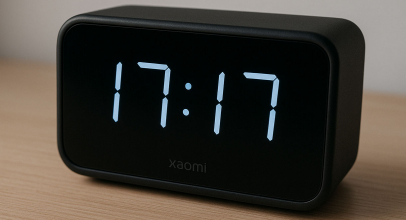
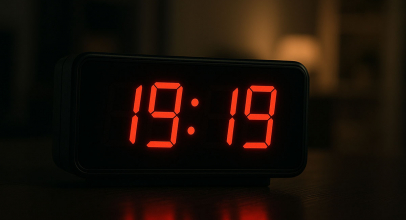
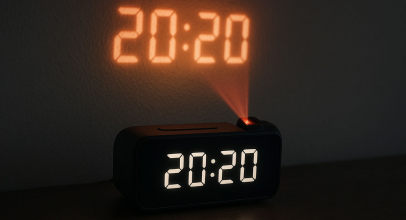
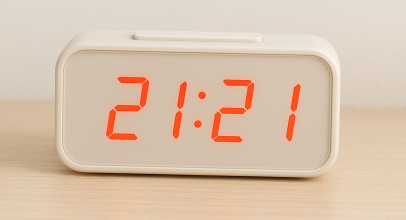
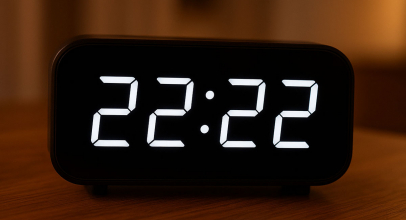
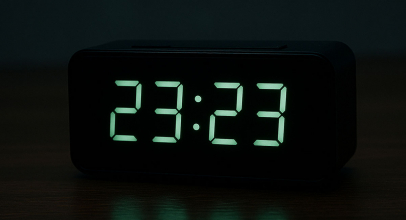
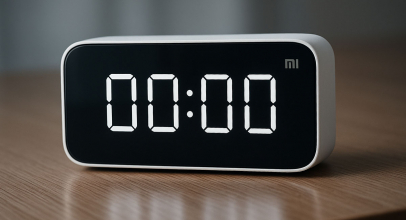
Many people notice repeating numbers in everyday life. Clocks, receipts, digital notifications, and documents often display the same sequences again and again. Numerology interprets these moments as invitations to pause and reflect, not as predictions, but as signals of awareness.
Such repetitions encourage mindfulness. They prompt questions rather than answers, inviting a person to look inward and examine current emotions, decisions, or transitions.
Sometimes repetition feels like a quiet whisper rather than a message. It gently asks for attention without urgency, creating space for self-observation.
Personal year cycles
Numerology also works with annual cycles known as personal years. Each year carries a specific theme, influencing focus, motivation, and emotional tone. Understanding these cycles helps align goals with timing, reducing unnecessary resistance and frustration.
Instead of forcing progress, people learn to work with natural phases of growth, consolidation, and reflection.